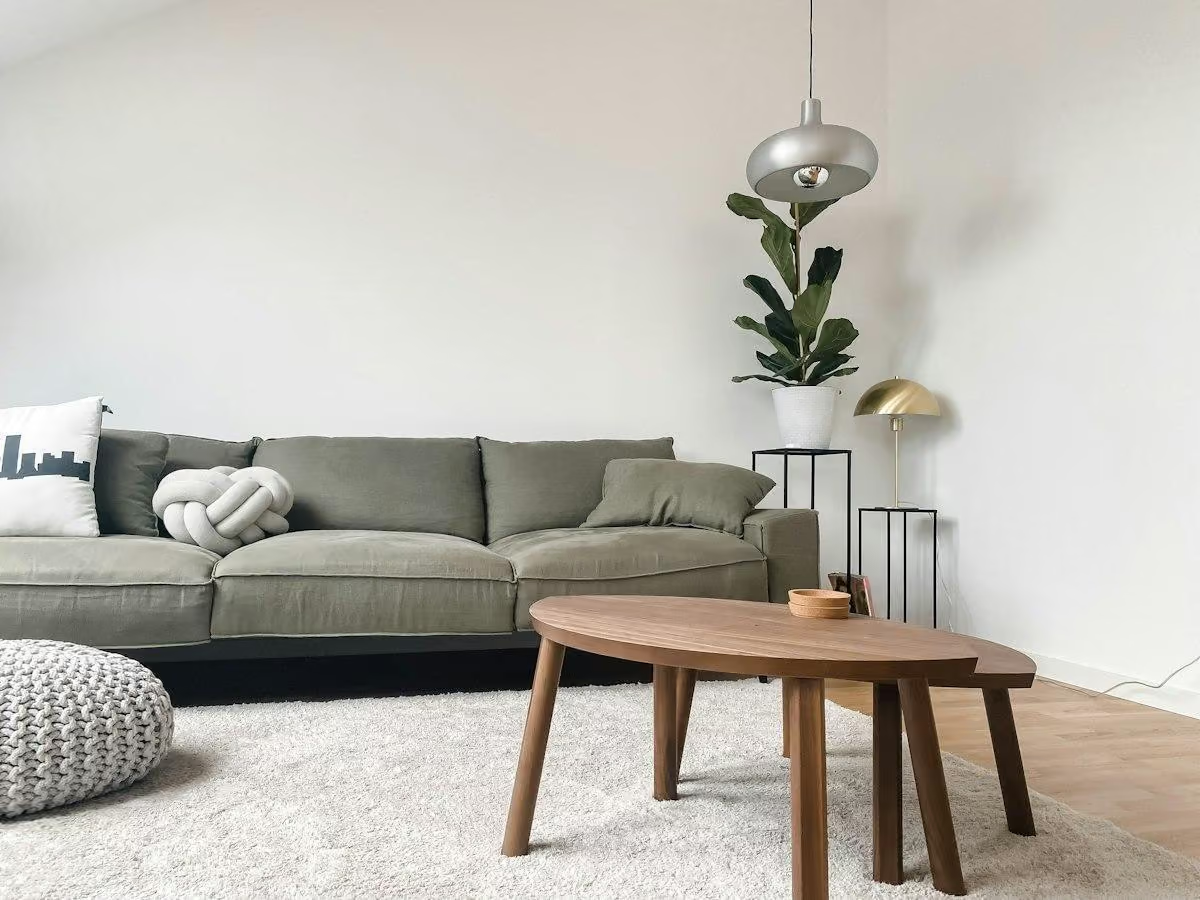
Two active hobbies
Keeping a Japandi living room calm when two people have different hobbies
Agree what may remain active and how each project returns to storage.
Choose a living-room change by the routine it supports: active storage, conversation, reading, display or two people sharing different activities.
A living room is a collection of occupied positions and repeated movements. Begin by naming the activity people cannot comfortably complete, then decide whether its cause is furniture placement, storage, light or a household agreement.
A room that looks visually busy may still work well for its occupants. Conversely, a restrained photograph can hide difficult retrieval or an awkward place to sit. Record the specific interruption: moving another person’s project, clearing a table before every drink, reaching past a chair or searching for a reading light.
Keep the proposed response proportionate. A portable tray can address an active project; it cannot supply a suitable workshop environment. A second occupied position may let two people share the room; it does not provide a separate acoustic room. The individual guides below identify the condition that should change the decision.
Separate daily objects, unfinished activities, reserve supplies and items kept only for display. Check the actual opening and internal arrangement for each proposed cabinet. Outside dimensions alone do not show whether a bulky object can enter, turn or be removed without moving another category.
For furniture requiring secure installation, include the appropriate fixing in the proposal from the outset. The U.S. CPSC’s Anchor It guidance addresses furniture and television tip-over prevention and says to follow manufacturer instructions. It does not establish a shelf load or approve a particular wall fixing; those need the actual product and substrate information.
Place the usual seats, local surfaces and activity objects on a measured plan, then test suitable reversible arrangements. Include standing up, passing another occupant and reaching an ordinary object. A useful composition should survive those movements rather than depend on furniture remaining untouched.
Treat conversation, reading and screen use as different visual tasks. Compare where people face, what is directly visible and which local light can operate independently. If the issue persists, identify it precisely before buying an additional decorative layer. Do not present a soft textile as a quantified acoustic treatment or a lamp photograph as a lighting measurement.
If active hobbies compete for surfaces, compare a workable return routine before commissioning additional storage.
Japandi Living Room Storage for Two Different HobbiesIf storage is insufficient, compare internal openings and retrieval rather than only the external cabinet size.
Minimalist Living Room Storage: Measure What Goes InsideIf two activities interrupt each other, test both seats, viewpoints and local controls together.
Small Shared Homes: Create Privacy Without Another RoomIf conversation remains difficult, distinguish seating relationships from an acoustic issue needing separate assessment.
Industrial Living Room Acoustics: Start with ConversationUse the conditions above to choose your route. Each linked article separates the proposed decision from its published references and its blank observation worksheet.
| What fails in daily use | Which guide to open | What to resolve first |
|---|---|---|
| Two hobbies compete for the same surfaces | Shared hobby storage | Current-project space and a return agreement |
| A cabinet cannot hold the real inventory | Inventory-led storage | Openings, internal capacity and retrieval |
| A room is hard to converse in | Conversation layout | Seating relationships and the actual sound problem |
| Two activities interrupt each other | Together-and-apart positions | Occupied viewpoints, local controls and routes |
Agree what may remain active and how each project returns to storage.
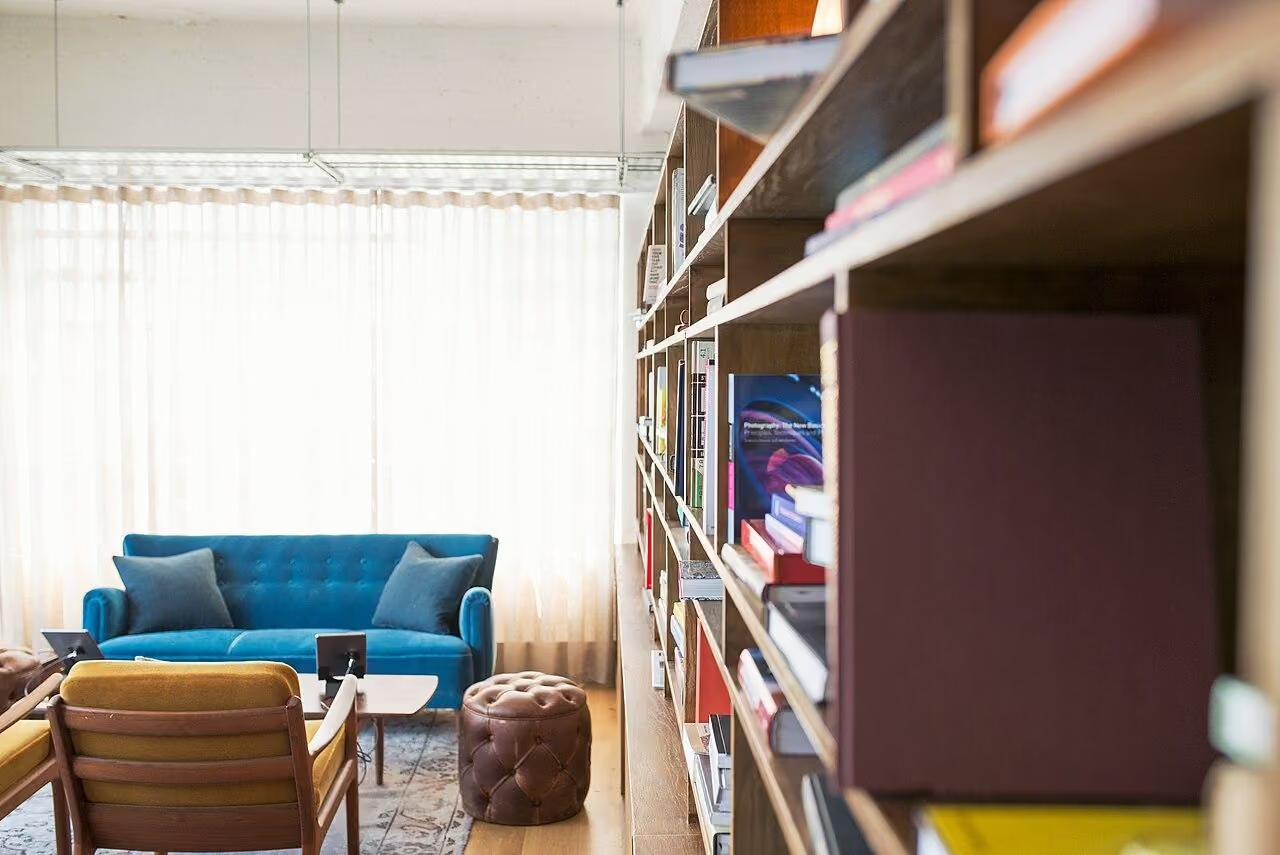
Check the opening and useful internal capacity rather than the exterior alone.
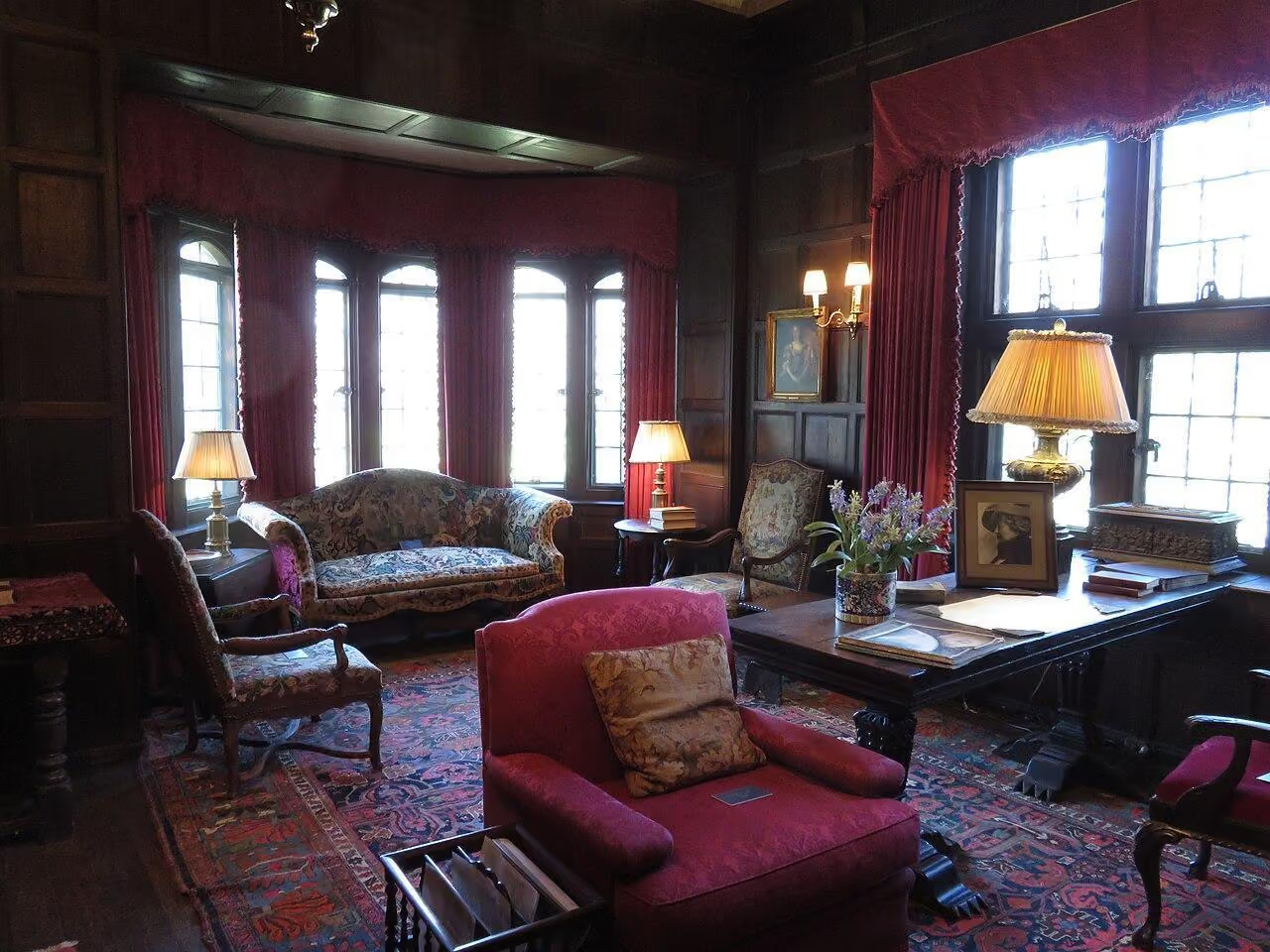
Separate seating relationships from unverified acoustic promises.
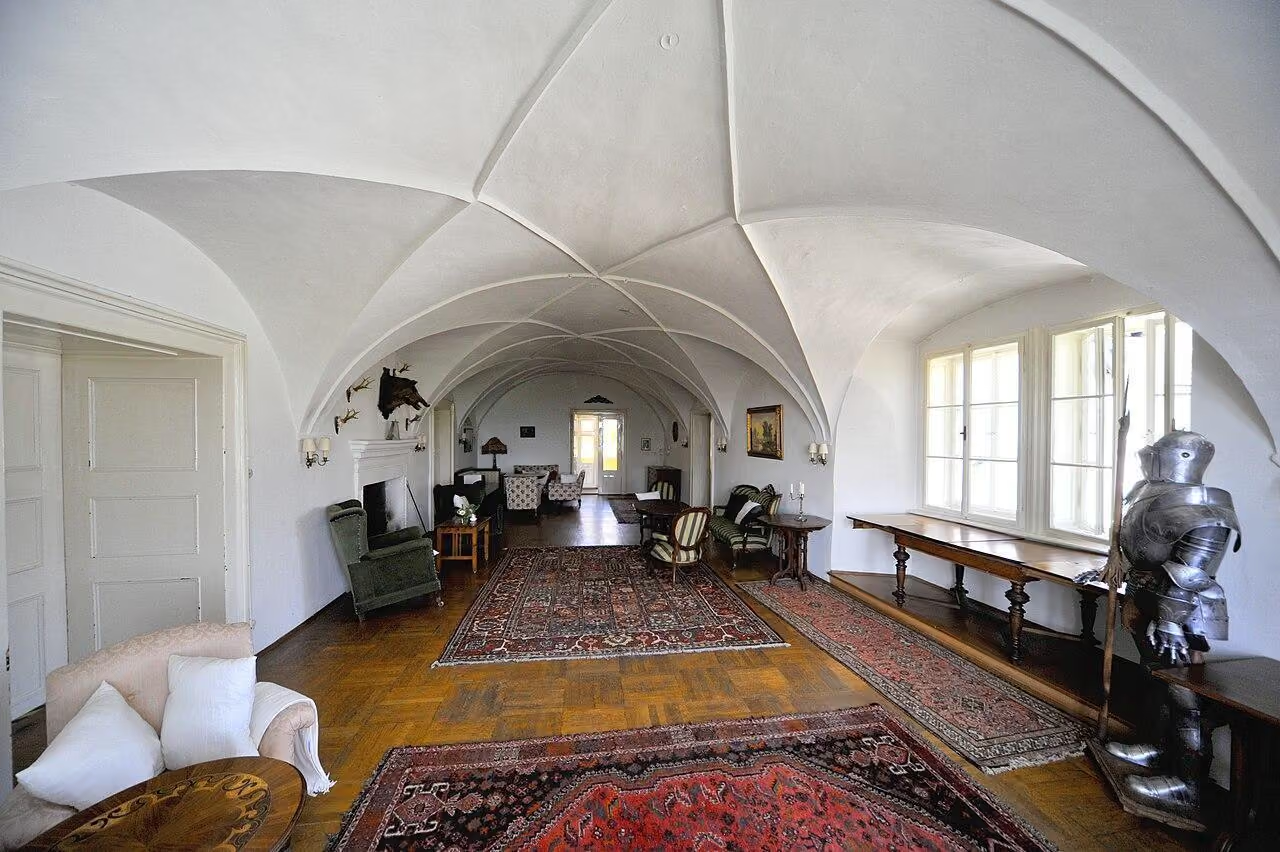
Consider the occupied reading position, nearby surface and controllable light.
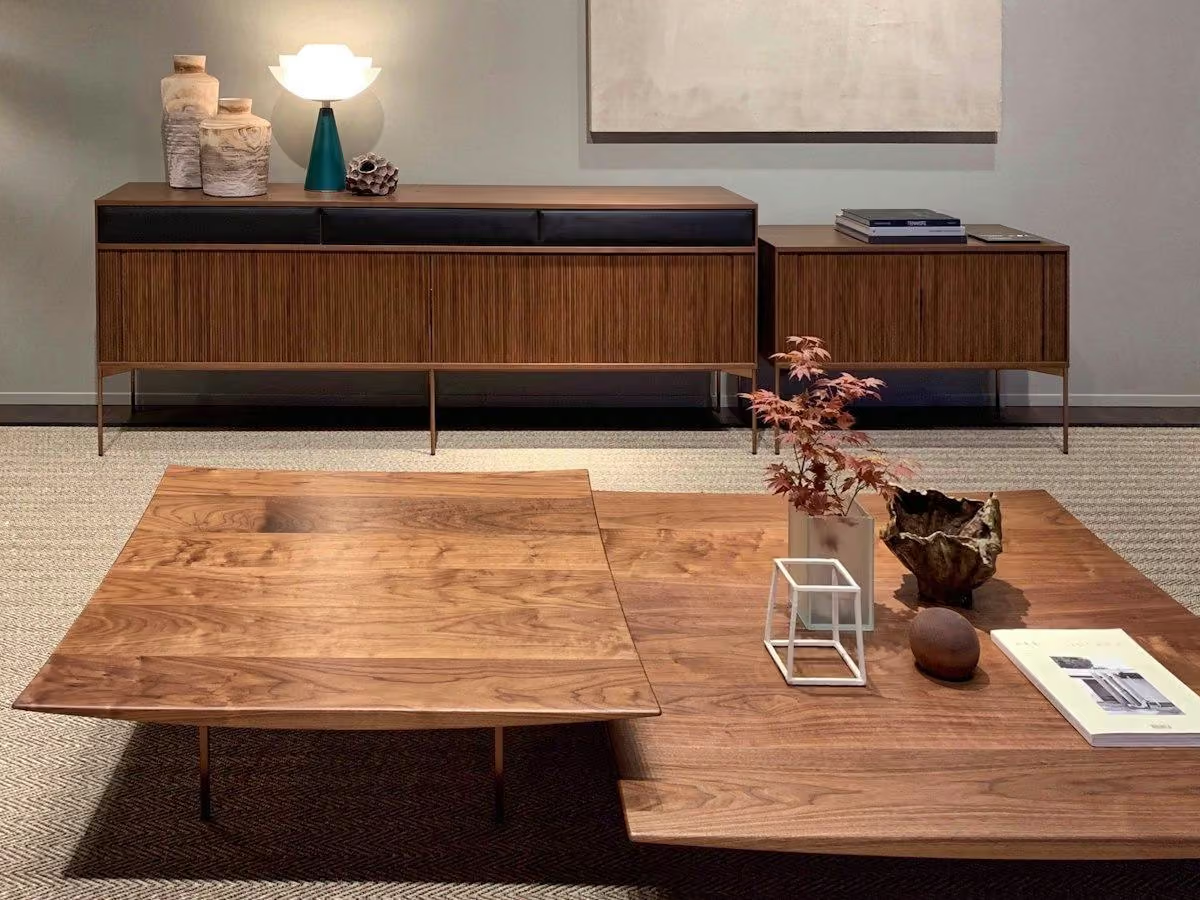
Choose what is displayed and what can be accessed and cared for.
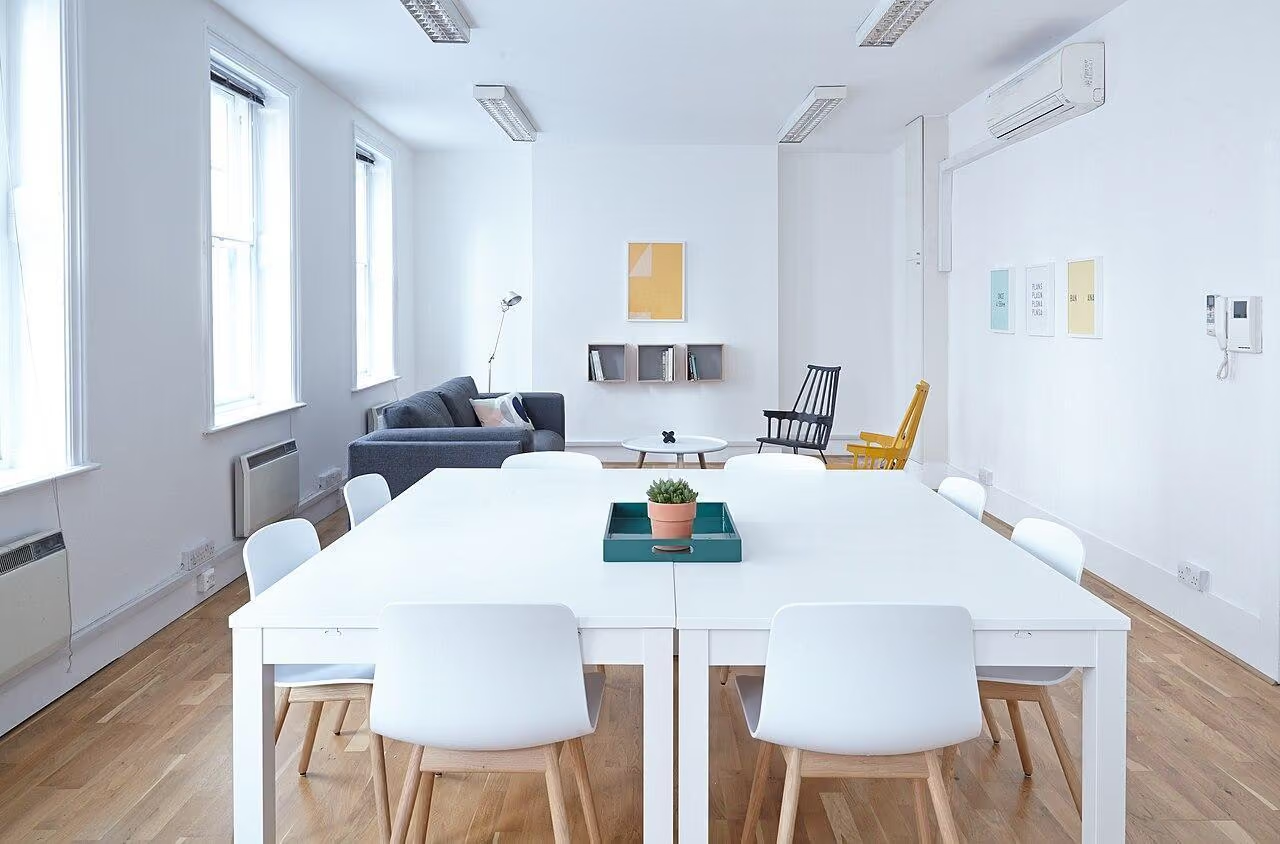
Test two different activities at the same time without assigning one person the leftover space.
These articles belong to this guide’s primary reading route. Choose the problem you actually have; related articles address different decisions.