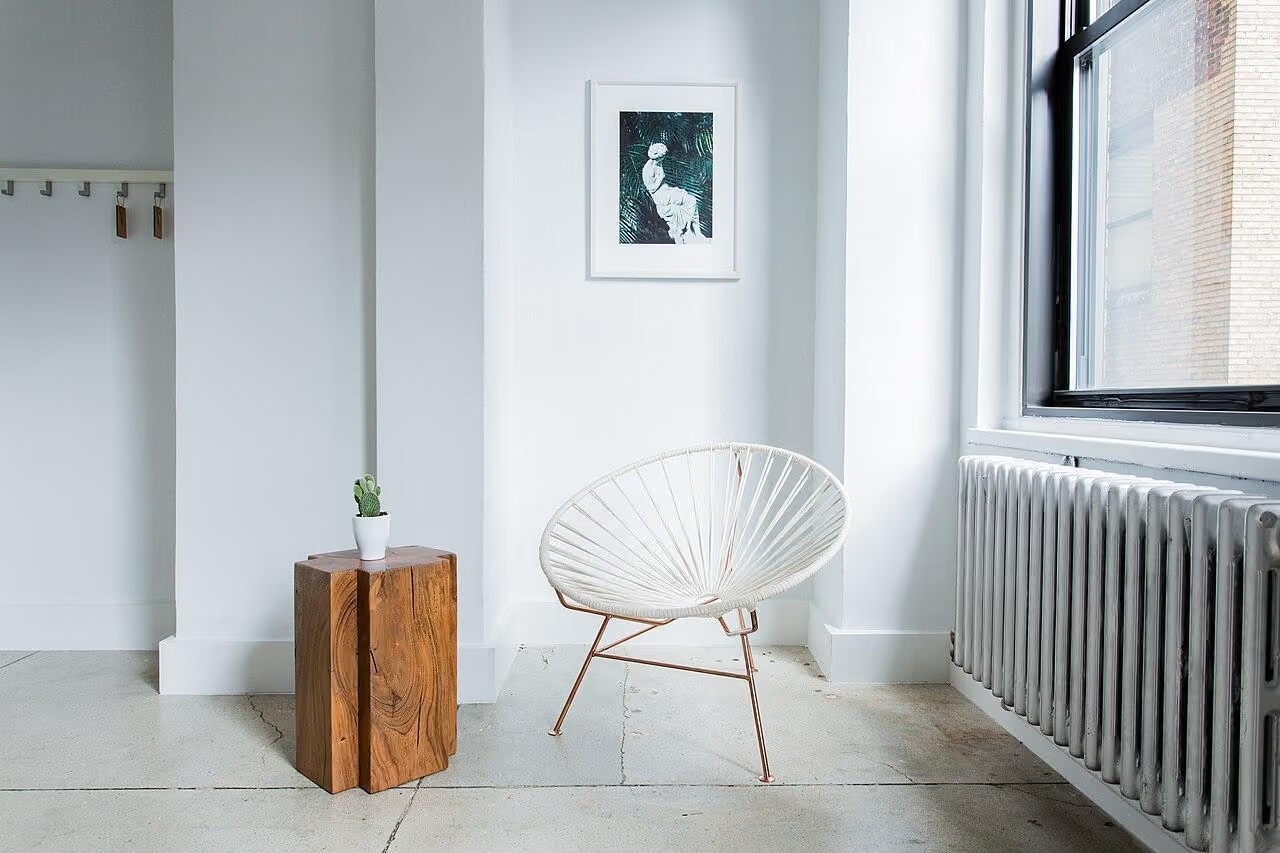
Designing around a Radiator without Pretending It Is Not There
Integrate a visible radiator by respecting its controls and service requirements, testing nearby furniture and evaluating covers before concealment.
DESIGN NOTES · 1111,819 words
Practical materials design guides with considered ideas, honest tradeoffs and real interior photography.
Identify the exact construction and finish, then compare touch, exposure, care and replacement requirements. Material names and photographs are useful starting points, not performance specifications.
Integrate a visible radiator by respecting its controls and service requirements, testing nearby furniture and evaluating covers before concealment.
Organize visible room cables by mapping real power needs, separating charging from fixed equipment and testing furniture movement and service access.
Evaluate limewash-like wall texture through actual product identity, substrate preparation, room-scale samples and realistic cleaning and repair needs.
Use fluted timber deliberately by comparing existing room lines, full-size texture samples, edge details, lighting and realistic groove cleaning.
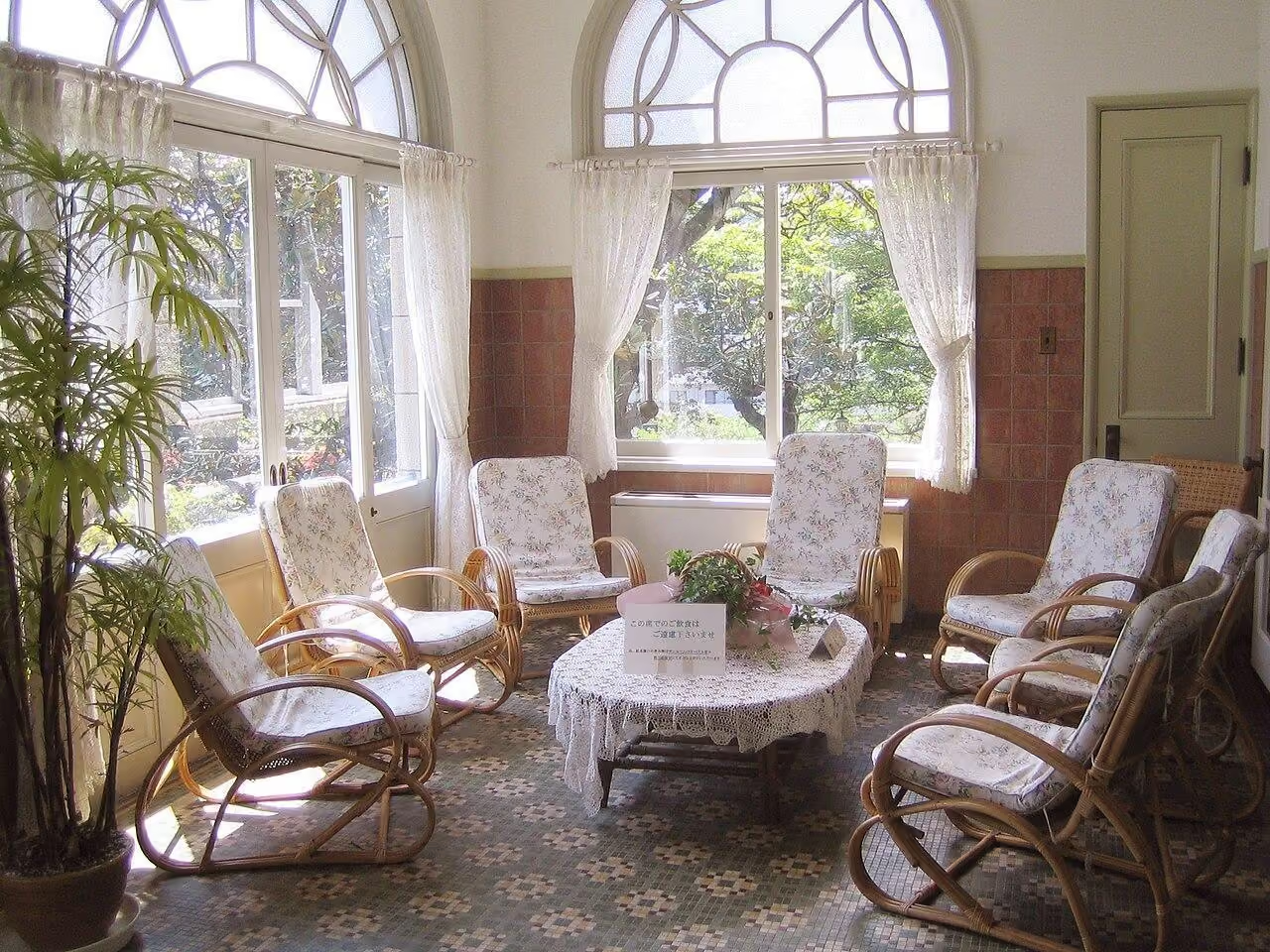
Choose rattan furniture for structure, comfort and care, then balance one woven piece with calmer surfaces rather than buying a complete theme.
Choose a mineral-patterned surface by identifying the exact material and comparing real use, representative samples, edges, seams and installed cost.
Use warm metal details selectively by checking exact finishes, expected aging, handle operation and their relationship with existing room metals.
Evaluate velvet upholstery using the exact fabric, pile movement, room lighting, seat comfort and realistic cleaning and repair requirements.
Specify linen curtains by testing actual transparency, lining, track space, hem length and cleaning so the full window treatment works every day.
Choose a washable rug that fits both the room and the cleaning process, including exact-size machine capacity, drying, edges and floor compatibility.
Choose cork for an interior by checking its intended use, substrate, edges, exposure and care instead of relying on natural-material assumptions.
Use reclaimed timber as a deliberate contrast while checking source information, treatment, stable construction, comfortable edges and realistic care.