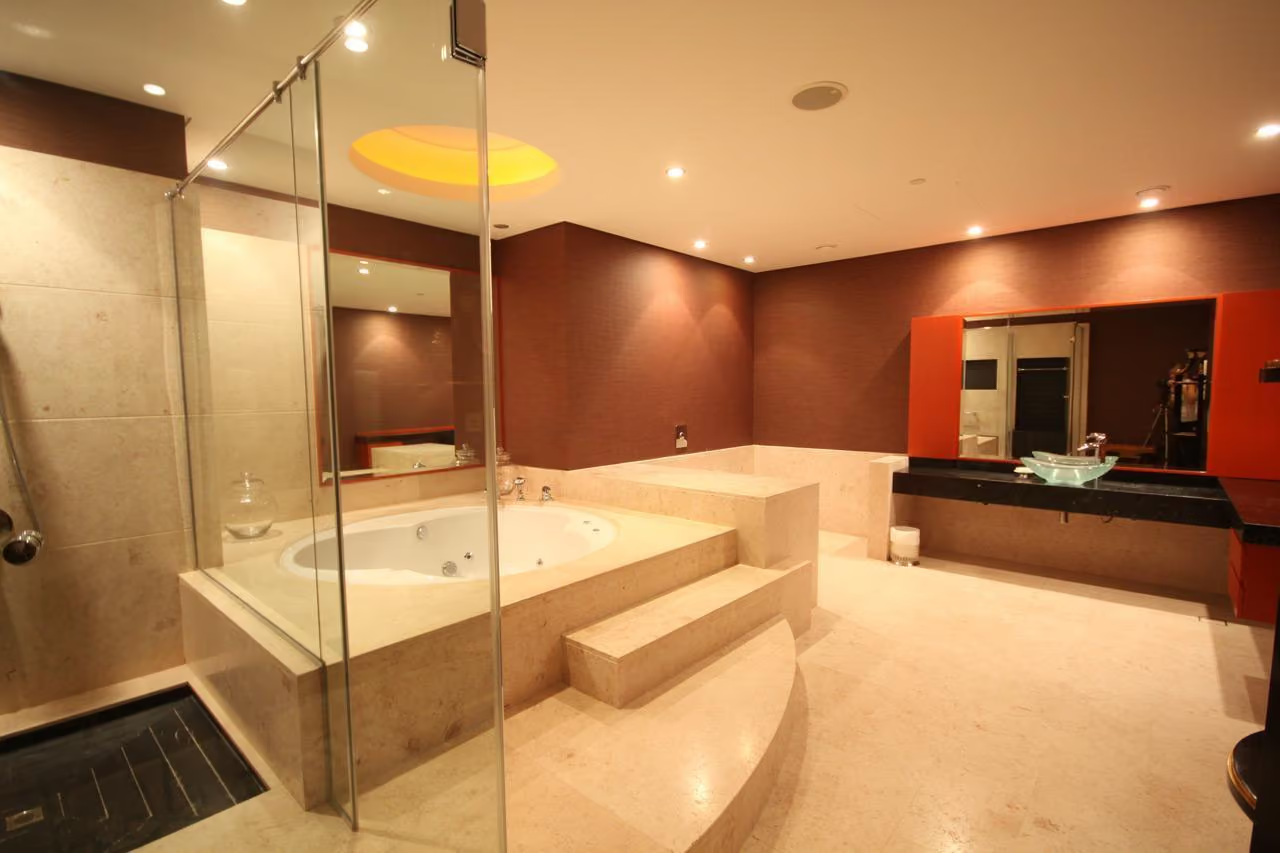
Textured wall finishes
Limewash-Like Walls: Choosing Texture with Honest Expectations
Distinguish an aesthetic effect from a product’s application and maintenance requirements.
Choose interior materials by exposure, maintenance, repair and real samples, with guides to stone-look surfaces, linen, timber and textiles.
A material is more than the surface visible in a photograph. Construction, coating, exposure and maintenance determine how a particular product behaves. Begin with the contact and care it will receive, then use colour and texture to connect the choice to the room.
A tabletop, a decorative wall and a frequently handled cabinet edge do different work. List the relevant contact: hands, clothing, food, cleaning, moisture or direct light. Then ask the supplier about the exact product and its limitations. A general label such as natural, stone-look or washable is not a full specification.
Separate the visible finish from the construction beneath it. Solid timber, veneer and a printed surface can resemble one another while requiring different care or repair. A thick-looking edge does not establish a solid material throughout, and an attractive photograph does not prove resistance to a spill.
View a meaningful sample in the room’s daylight and evening light, beside the materials that will remain. For a contact surface, understand what demonstrations are appropriate and permitted before testing. Do not damage a showroom sample or assume an unapproved cleaning experiment is a valid performance test.
Keep the sample associated with its manufacturer, product reference, finish and care instructions. Two products with similar appearance may differ in construction. A specific record makes later comparisons, orders and repairs more reliable than a colour name remembered from a screen.
Ask how a worn component is removed, who can renew it and what must be replaced together. A removable cover is useful when its cleaning method fits the household; a replaceable part helps only if it is realistically available. Include those questions in the purchase comparison rather than adding them after installation.
Some people enjoy patina and regular care, while others want a surface that demands less attention. Neither preference is morally better. The sound choice is a product whose requirements are understood and acceptable, with a specification suited to its use. Design judgment can guide the atmosphere; technical performance needs appropriate evidence.
Separate natural stone from a stone-look product; use care information for the actual construction and finish.
Stone-Look Surfaces: Compare Material, Care and SeamsDo not translate a fabric name or photograph into a durability or cleaning promise.
Velvet Upholstery for Busy Homes: Pile, Wear and CareFor a washable rug, compare the exact cover, machine capacity, drying instructions and replacement arrangement.
Washable Rug Planning: Room Fit, Machine Size and DryingFor reclaimed material, establish what is known about its condition, finish and proposed use before valuing its appearance.
Reclaimed Wood in Modern Rooms: Condition, Finish and CareUse the conditions above to choose your route. Each linked article separates the proposed decision from its published references and its blank observation worksheet.
| Material claim | Question to ask | Evidence worth keeping |
|---|---|---|
| “Timber is repairable” | Is this solid, veneer or another surface, and what work is permitted? | Construction details and a product-specific repair route |
| “This fabric is washable” | Which size, temperature, drying method and equipment apply? | The exact label and cleaning instructions |
| “Stone-look means easy care” | What is the actual material and how does its finish behave? | Technical and maintenance information for the selected product |
| “Linen will look relaxed” | How will it hang, transmit light and change after care? | A physical sample and the specified treatment |
Distinguish an aesthetic effect from a product’s application and maintenance requirements.
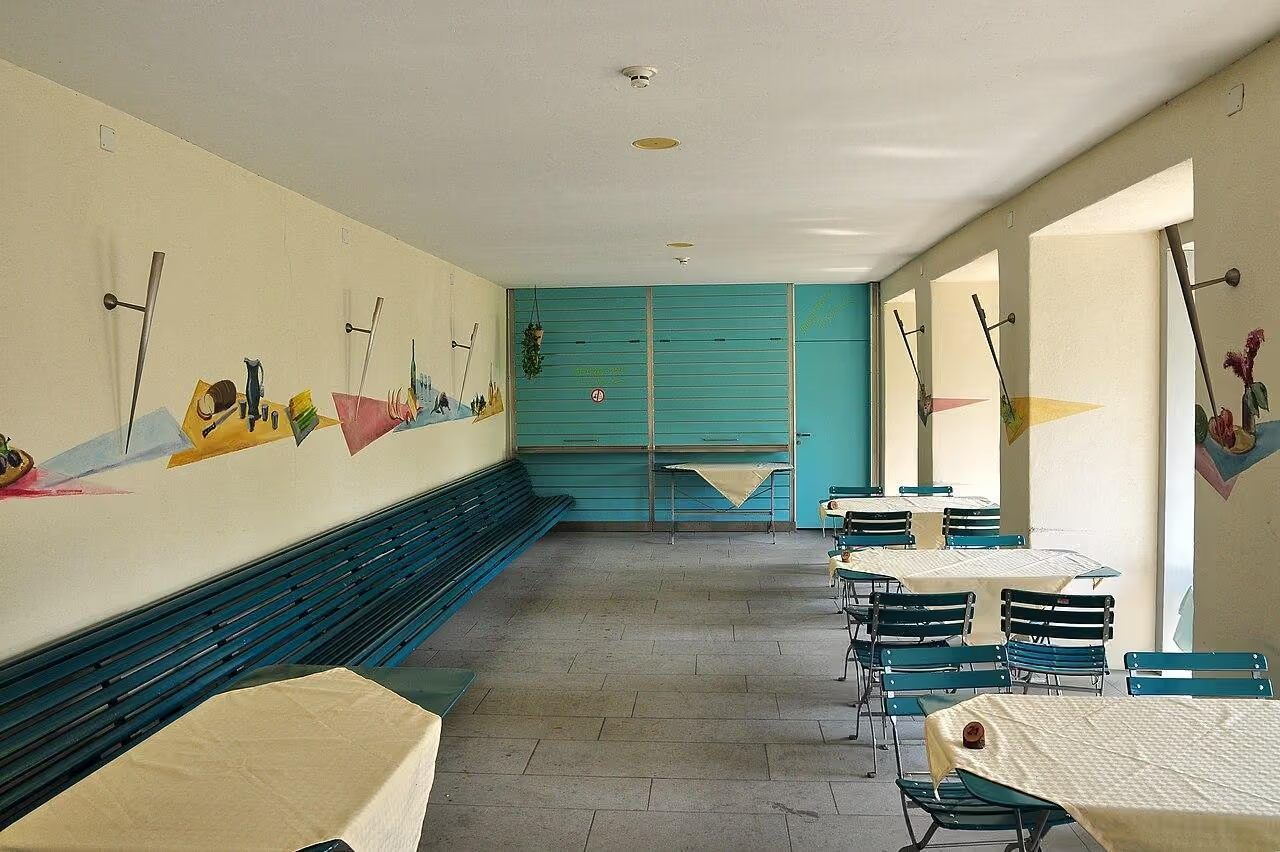
Choose the amount and position of detail with cleaning and edges in view.
Identify the product rather than assuming performance from appearance.
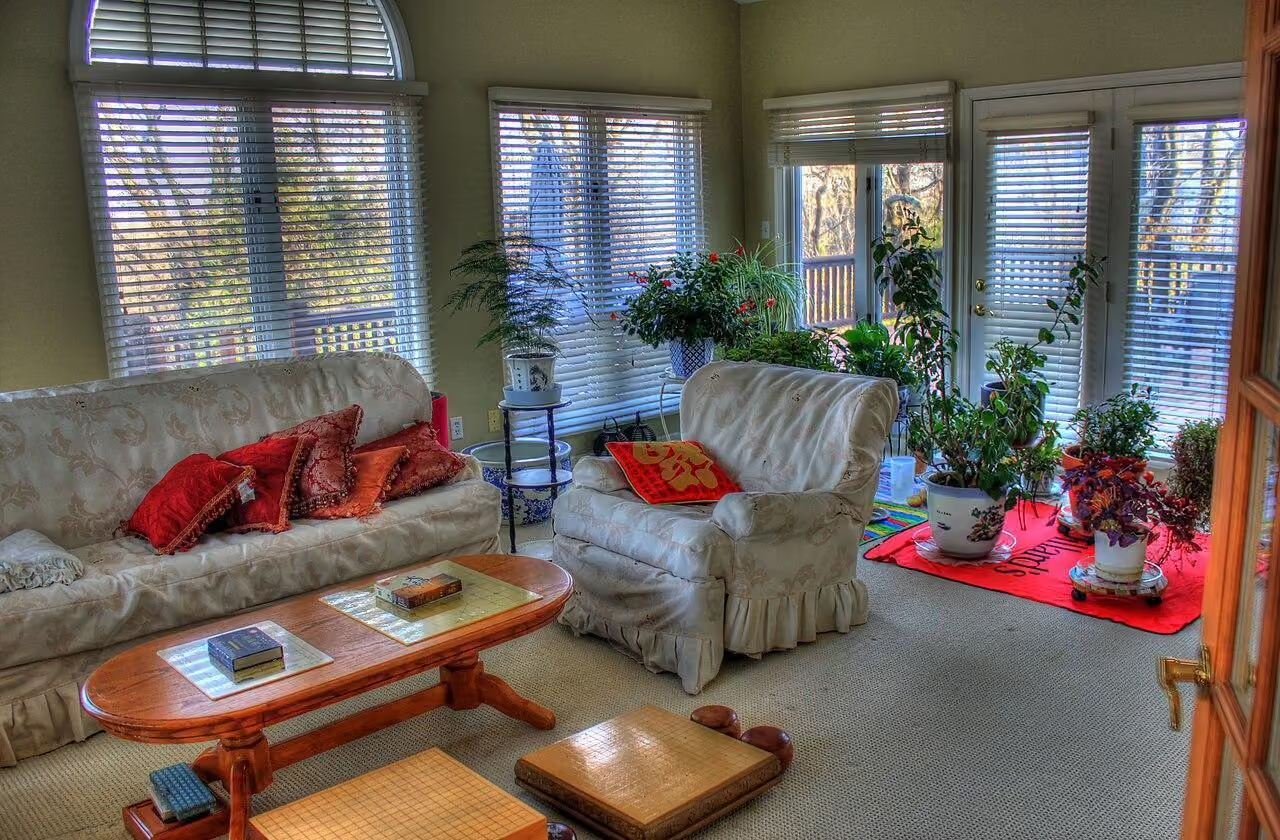
Evaluate touch, direction and cleaning before choosing the image.
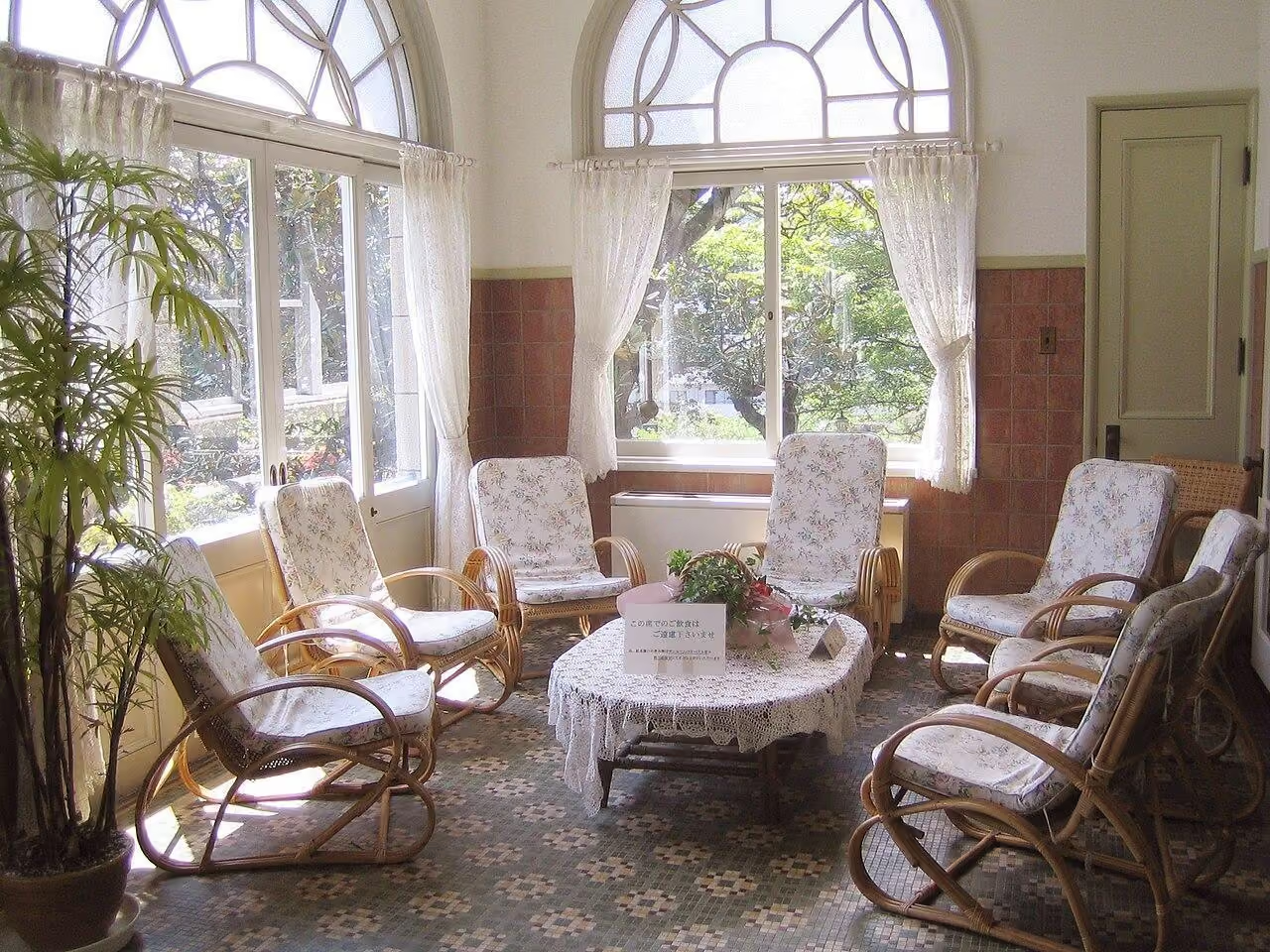
Follow the fabric through specification, installation and care.
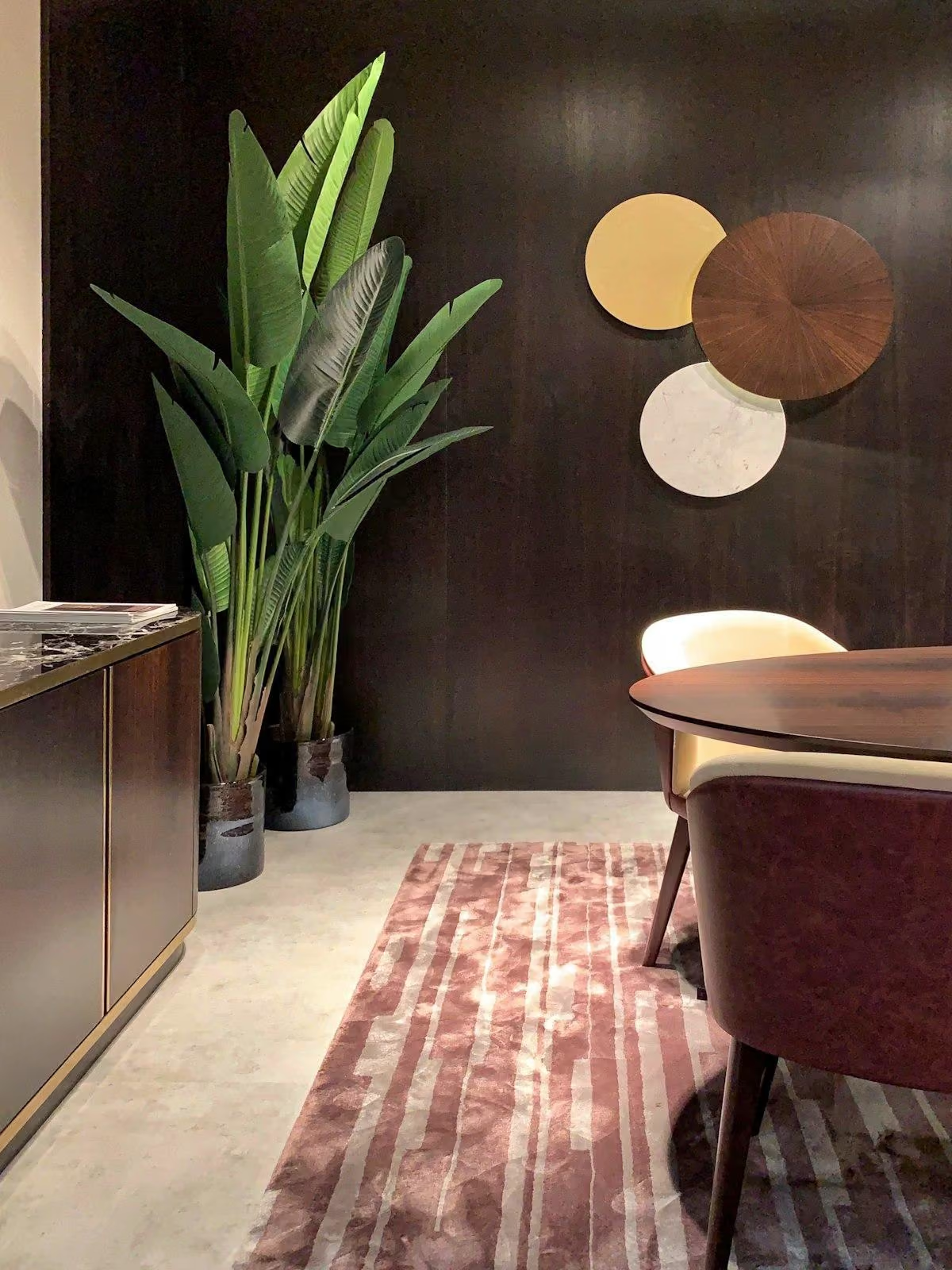
Check the exact size and care route as well as the room’s proportions.
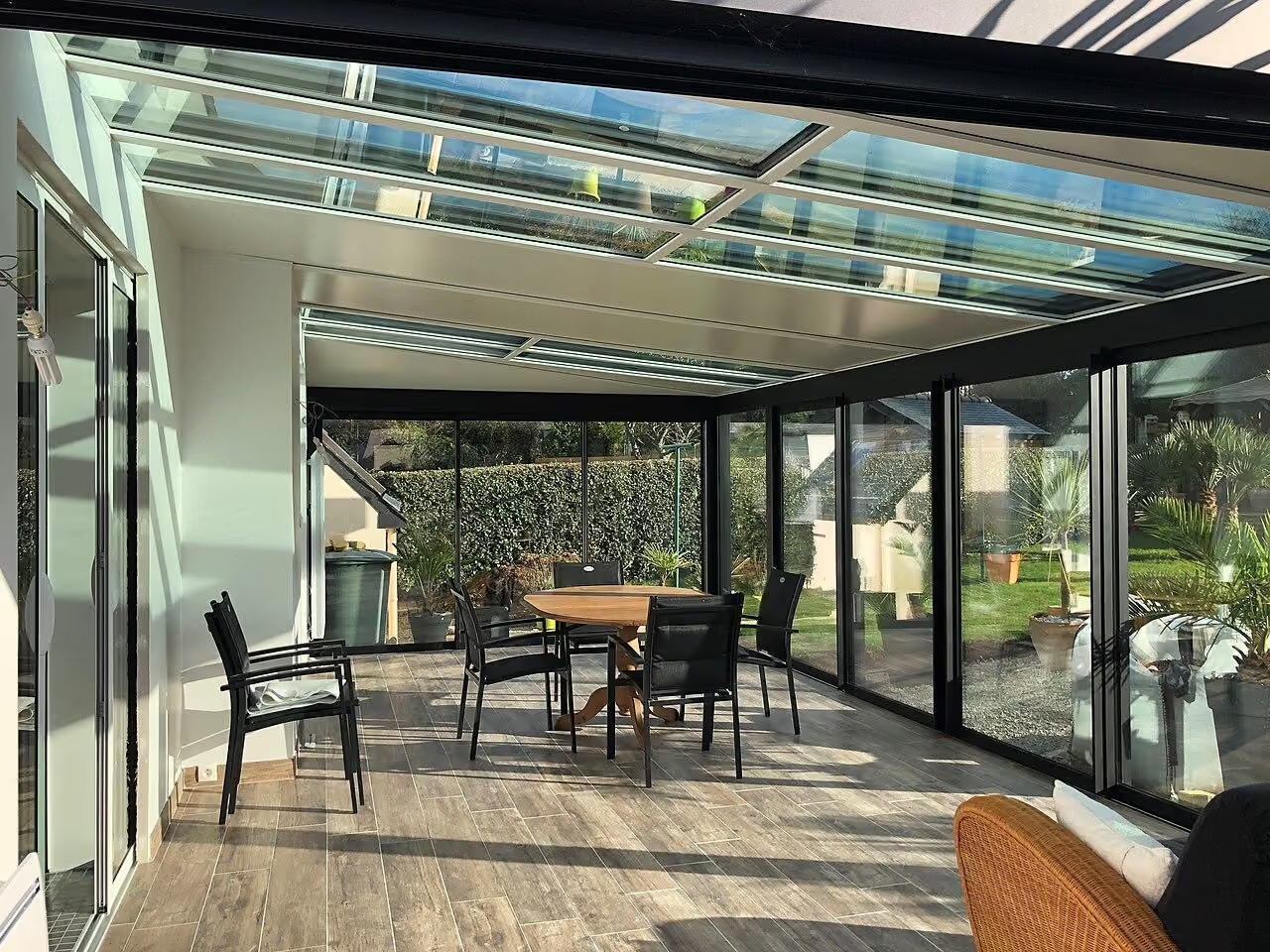
Assess condition and suitability without treating age as proof.
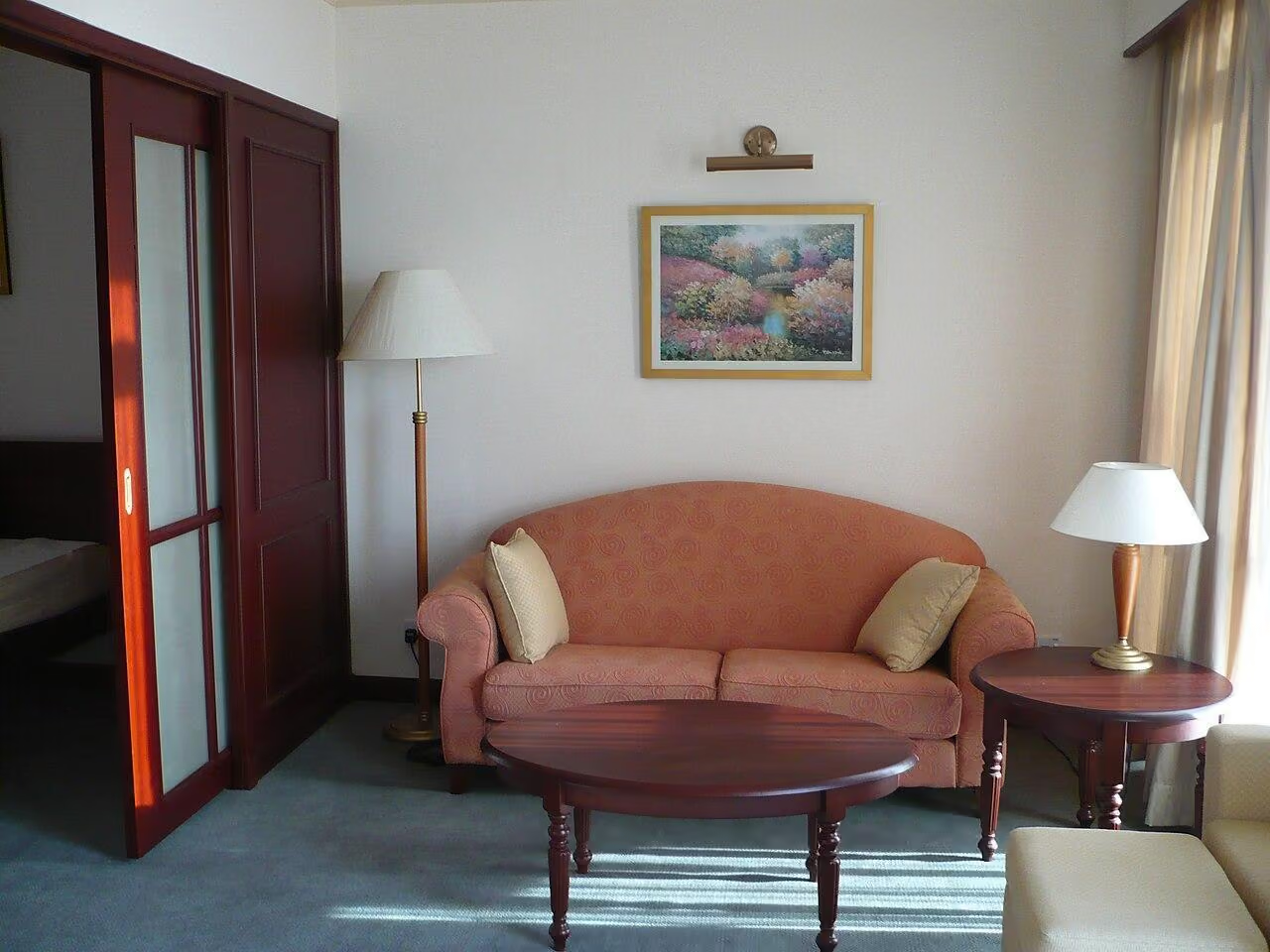
Coordinate a particular timber finish with the room’s real light and samples.
These articles belong to this guide’s primary reading route. Choose the problem you actually have; related articles address different decisions.