The decision, with conditions
- Choose this route when
- Choose one woven piece when it performs a useful seat or storage role, its actual construction is sound and its care suits the proposed indoor location.
- Use the alternative when
- Use a suitable textile or smaller woven element if the full chair or cabinet would repeat too much texture or be continually challenged by contact.
- Stop or change the plan when
- Do not buy the themed set when repeated functions are unnecessary or when the particular weave, finish and repair limitations conflict with household use.
Compare the practical options
| Woven object | What to inspect | Room-scale consideration |
|---|---|---|
| Chair | Joints, seat comfort and stability | Light appearance does not guarantee a small usable footprint |
| Cabinet insert | Frame, hinges and panel repair options | The storage should work beyond the decorative front |
| Woven shade | Suitable fitting and light distribution | Patterned shadows must not compromise useful visibility |
| Single accent versus a set | Existing material relationship | One sound piece may supply enough warmth and texture |
Let one woven piece soften the room
Begin with one function that would benefit from a woven piece: a comfortable reading seat, accessible storage or a small supporting surface. Compare its shape and texture with the furniture already doing the other jobs. Buy gradually enough to learn whether the weave improves the room or merely repeats another busy surface. A modern room does not need a matching woven collection to make one piece belong.
The direction suits people who enjoy natural variation alongside precise modern forms. It is less suitable when the household needs a surface that can tolerate rough treatment or frequent aggressive cleaning. Exact products differ, so ask about intended indoor use, maintenance and environmental conditions. Do not assume all woven furniture is interchangeable or that every item described as natural is automatically durable. The room should be designed around the actual object and its construction, not a broad romantic idea of handcrafted living.
Inspect the structure beneath the weave
Look at joints, supports and the underside as carefully as the visible pattern. A chair must remain stable during ordinary sitting and standing. A cabinet door needs sound hinges and a frame appropriate to its use. The woven material may be decorative, structural or both, and that distinction affects care and repair. Ask the maker or supplier when the construction is unclear.
Test the piece with the intended user. A visually light chair can still be bulky in plan, and its seat or arms may not suit sustained use. If a cushion is needed, include it in the trial rather than treating it as an optional styling layer. The furniture should not require an improvised stack of textiles to become comfortable. For specific physical needs, seek appropriate individual guidance. The appeal of the weave is worthwhile only when the object supports the activity for which it is being purchased.
Balance texture with smoother neighbors
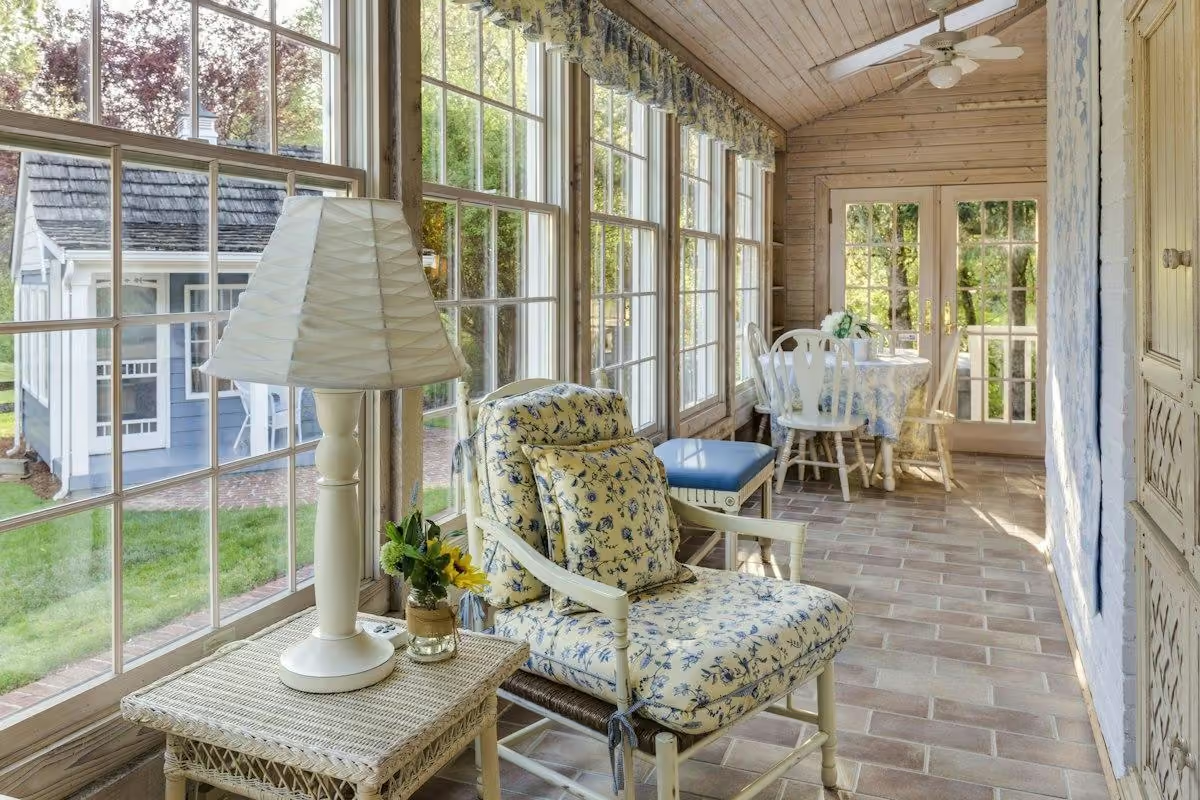
Pair the woven surface with quieter materials so its pattern remains legible. A rose-beige sofa, a dark oak table and a warm neutral wall can give rattan a grounded urban setting. The contrast between soft upholstery, precise timber and open weave is usually more interesting than a complete matching set. Avoid adding several unrelated straw tones without comparing them, because natural variation can be charming or visually muddled depending on the combination.
Scale matters too. A small woven object may disappear beside heavy furniture, while a large open-backed chair can become a strong focal point. View the piece from the main entrance and from the normal seating positions. Decide whether it should attract attention or quietly soften the composition. The room does not need botanical prints, tropical artwork or themed accessories to justify the material. Let the object’s actual texture provide the connection to natural materials without surrounding it with an explanatory decorative story.
Fluted timber also benefits from a limited area and quieter neighboring planes. Fluted Wood without a Room Full of Stripes.
Place it where the weave will not be constantly challenged
Narrow circulation routes can expose projecting woven edges to repeated contact from bags and clothing. A chair positioned there may wear quickly or make movement awkward. Check the occupied footprint, including the space needed to pull the chair out and stand. A light appearance should not be mistaken for a small operational footprint. The furniture needs a credible place in the room rather than a decorative gap.
Consider sunlight, heat and moisture according to the product’s guidance. A bright window position may look ideal while creating unsuitable conditions for a particular piece. Do not assume an indoor item can move to a damp balcony because the material appears summery. If the room’s conditions cannot suit the product, choose a different material or location. The design is more honest when it respects those limits than when maintenance becomes a constant attempt to compensate for an unsuitable placement.
Use light without producing distracting grids
Open weave can cast patterned shadows. Those shadows may be attractive in a small area, but they can also create visual noise. If a woven shade is considered, use it with a suitable fitting and follow the product’s guidance. Test the light on faces, walls and the surface where a task happens. A beautiful shade that leaves the room difficult to read or produces an uncomfortable exposed source is not a complete lighting solution.
For woven furniture, a nearby soft lamp can reveal texture gently. There is no need to spotlight every strand. Keep useful task and general lighting independent of the material effect. The room should remain comfortable when the woven piece is not the center of attention. This is especially important in small interiors, where a dramatic shadow pattern can dominate several functions at once. A restrained lighting approach often lets the natural variation feel more relaxed and less theatrical.
Plan cleaning and repair before purchase
Ask for the specific finish and care label before approving a woven piece. Check whether its normal cleaning can reach the areas that collect crumbs or dust, and whether damaged panels or cushions can be repaired appropriately. If the household cannot maintain that construction in the proposed position, select another piece rather than assuming a natural appearance makes care simpler.
Repairability can affect value. Find out whether a damaged woven panel can be replaced or repaired and whether the supplier provides support. A lower initial price may be less attractive if the whole object must be discarded after a small failure. Conversely, an expensive piece is not automatically the right investment if its care is incompatible with daily life. Compare complete usefulness, construction and maintenance rather than paying solely for the visual association with craft.
Upholstery care provides a useful comparison: a material name alone cannot establish household suitability. Velvet in a Busy Home: Looking Beyond the Photograph.
Add gradually rather than buying a theme
Place one suitable woven piece among the existing furniture and observe the result before adding more. Check comfort, circulation and the relationship with the room’s colors. This approach is unsuitable when the piece cannot meet the household’s wear or environmental conditions. A different textured textile or timber detail may provide warmth with fewer compromises.
In an imagined afternoon, a light chair is pulled closer for a friend staying over coffee. It feels easy to use and belongs naturally beside the room’s more precise forms. The weave adds character without dictating a theme, because the object was chosen as furniture first and as a material statement second.
Check, record, then decide.
A proposed worksheet for your own observations. Use consistent units for dimensions and keep the conditions with each record.
Structure beneath the weave
Where to check At the actual chair underside, cabinet frame or other proposed woven object.
- Record
- Identify joints, supports, intended use and product information; note movement, damaged areas and whether woven components are structural or decorative.
- Read the result
- Natural texture and a light silhouette do not establish stability, comfort or appropriate construction.
- If it does not work
- Choose a sound suitable piece or obtain competent repair advice rather than buying for appearance alone.
Occupied placement
Where to check At the object within the room's actual furniture group and walking route.
- Record
- Measure footprint and movement with units; trial the seat if relevant, noting comfort, standing and repeated brushing against projecting woven edges.
- Read the result
- A visually airy piece can still occupy substantial working space or wear in a narrow route.
- If it does not work
- Move it to a suitable position or retain a more practical existing object.
Environmental and care fit
Where to check At the intended window, heat or moisture exposure and the household's cleaning area.
- Record
- Collect exact indoor-use and care guidance; record sunlight, cleaning access and any woven panel or cushion replacement information from the supplier.
- Read the result
- A summery appearance is not evidence that an indoor piece tolerates damp outdoor conditions or rough care.
- If it does not work
- Select a different material or location when the environment cannot meet the product's needs.
A practical trial
- Introduce one suitable woven piece among existing furniture and observe the balance before buying a matching set.
- If using a woven shade, test useful light and patterned shadows with a fitting appropriate to the product.
- Ask how damaged weave can be repaired and check whether cleaning remains manageable without moving fragile surrounding objects.
Compare the same scope
- A single sound woven accent used for a real function
- Existing precise furniture softened by another suitable textile
- A matching set only if its repeated function and care are justified
Cost drivers to discuss: Construction quality and actual sitting or storage function; Repairable panels, cushions and supplier support; Care demands and any unsuitable-location replacement risk.
Choose another route when: The piece is unsuitable when its wear, environmental or maintenance requirements cannot fit the household despite its attractive texture.
The download is a blank record template. Your completed notes remain wherever you choose to keep them; this page has no measurement-submission service.
Sources for this guide
Each reference’s supported point and limits appear beside the relevant passage above. Product documentation applies to the named product, rather than every similar item or the photographed room.
Source text checked November 4, 2026. Specifications can change; confirm the current instructions for the exact item before ordering.
Your questions, considered.
Does rattan furniture have to create a tropical look?
No. One woven piece can soften a precise modern room when paired with quieter upholstery and timber. It does not need matching sets or themed accessories to feel intentional.
Can indoor rattan furniture move to a damp balcony?
Do not assume so from its summery appearance. Check the exact product's intended use and environmental guidance, and choose a different location or material if the conditions do not suit it.
What should I check beneath the visible weave?
Inspect supports, joints and the object's actual function. A chair still needs comfort and stability; a cabinet needs sound operation. Ask about cleaning and whether damaged woven parts can be repaired.
About this guide: written with AI assistance for TIANLICHUJU. These are general design ideas, not a measured survey or a completed client project. Any domestic vignette is fictional. Confirm product specifications, site dimensions and local requirements before construction; use qualified professionals for regulated work. Read our editorial approach or suggest a correction.