The decision, with conditions
- Choose this route when
- Choose a washable rug when its correct room size also fits a verified removal, washing, drying and refitting process supported by the exact product and household equipment.
- Use the alternative when
- Compare an appropriately sized conventional rug with realistic professional cleaning when that route is more manageable than shrinking the rug to fit a machine.
- Stop or change the plan when
- Reject the washable option when it cannot dry and return suitably, its edges or backing conflict with use, or its practical cleaning process remains assumed rather than verified.
Compare the practical options
| Rug decision | Evidence to check | Reason to reconsider |
|---|---|---|
| Room footprint | Marked edges with furniture occupied and doors open | The rug floats disconnected or creates a difficult route edge |
| Washing capacity | Instructions for the exact size and household machine | A larger size needs equipment the household cannot access |
| Drying and reassembly | Space, method and separate-layer guidance | The cover cannot dry or refit realistically |
| Floor relationship | Backing, pad and finish compatibility | Moisture, shifting or unsuitable layering remains unresolved |
Start with the footprint, then investigate washing
Mark the rug the occupied seating group needs before investigating cleaning. Include chair movement, routes and doors rather than shrinking the outline immediately to a convenient laundry size. Then compare the full care route of products that fit that footprint. If no suitable washable option works, an appropriate conventional rug with a credible cleaning plan is a valid alternative.
This approach suits households that value practical textile care and understand the complete washing and drying process. It is unsuitable when the selected size exceeds the home’s cleaning capacity or creates unsafe edges and door conflicts. The word washable may refer to conditions that vary by product and size. Read the instructions for the actual rug, including any separate cover, pad or backing. A general marketing claim is not enough to plan the household routine.
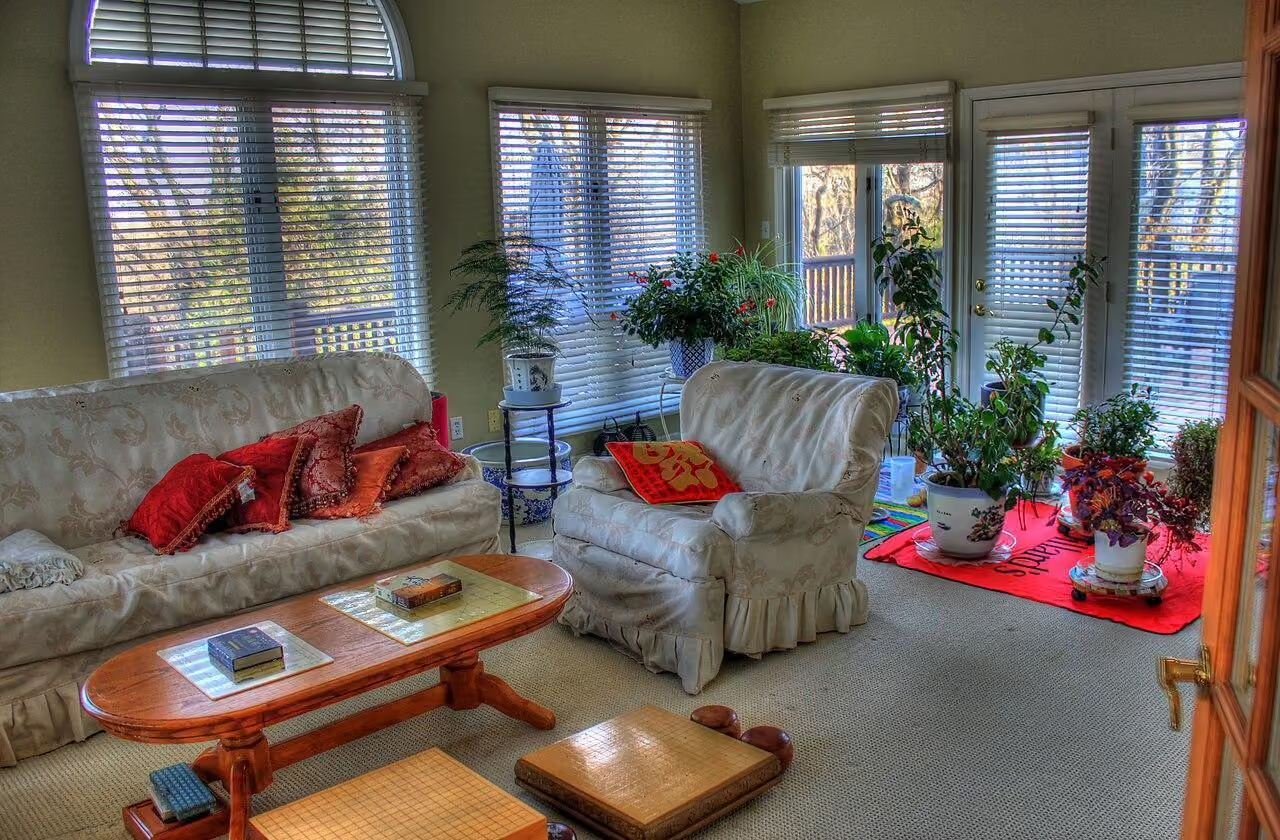
In a narrow living room, the rug footprint should reinforce a useful seating group without narrowing the route. A Narrow Living Room with a Conversation-Friendly Layout.
Draw the rug beneath the real seating group
Mark the proposed edges using a removable method suitable for the floor finish. Include the actual sofa, chairs and tables. Walk the main route and open nearby doors. The rug should help the occupied area read as a coherent place without introducing a difficult edge at a turning point. There is no single placement rule that resolves every room; proportions and circulation need to be judged together.
If the ideal visual footprint cannot work safely, revise the furniture or consider another floor arrangement. A bare floor with a coherent seating group may be better than a rug forced into a poor position. In homes with particular mobility needs, assess the product and placement with the resident and appropriate guidance. Do not assume that a pad automatically makes every rug suitable. Stability, thickness, edge behavior and the actual user all matter. The purpose is comfortable daily use, not compliance with a decorating convention.
Confirm the full cleaning route
Treat removal, transport, machine access, drying and refitting as one task. Identify which parts of the selected system are cleaned by which method and where the full item will go while the floor is clear. Check the exact care instructions and machine guidance together. Do not assume that an item described as washable can be forced into the available appliance or returned while still damp.
If the rug uses separate layers, understand how they are cleaned and reassembled. A removable cover may be manageable, but aligning it over a large pad can require space and effort. Trial a demonstration where possible. Consider who will perform the task and whether moving furniture is necessary each time. The room’s care system should remain realistic when the resident is busy or tired. A washable product is most valuable when its process fits the household, not when it adds another complicated project to an ordinary spill.
Pet-friendly planning needs the same realistic washing and drying assessment rather than a blanket durability claim. A Pet-Friendly Living Room That Still Feels Considered.
Compare texture and color under normal use
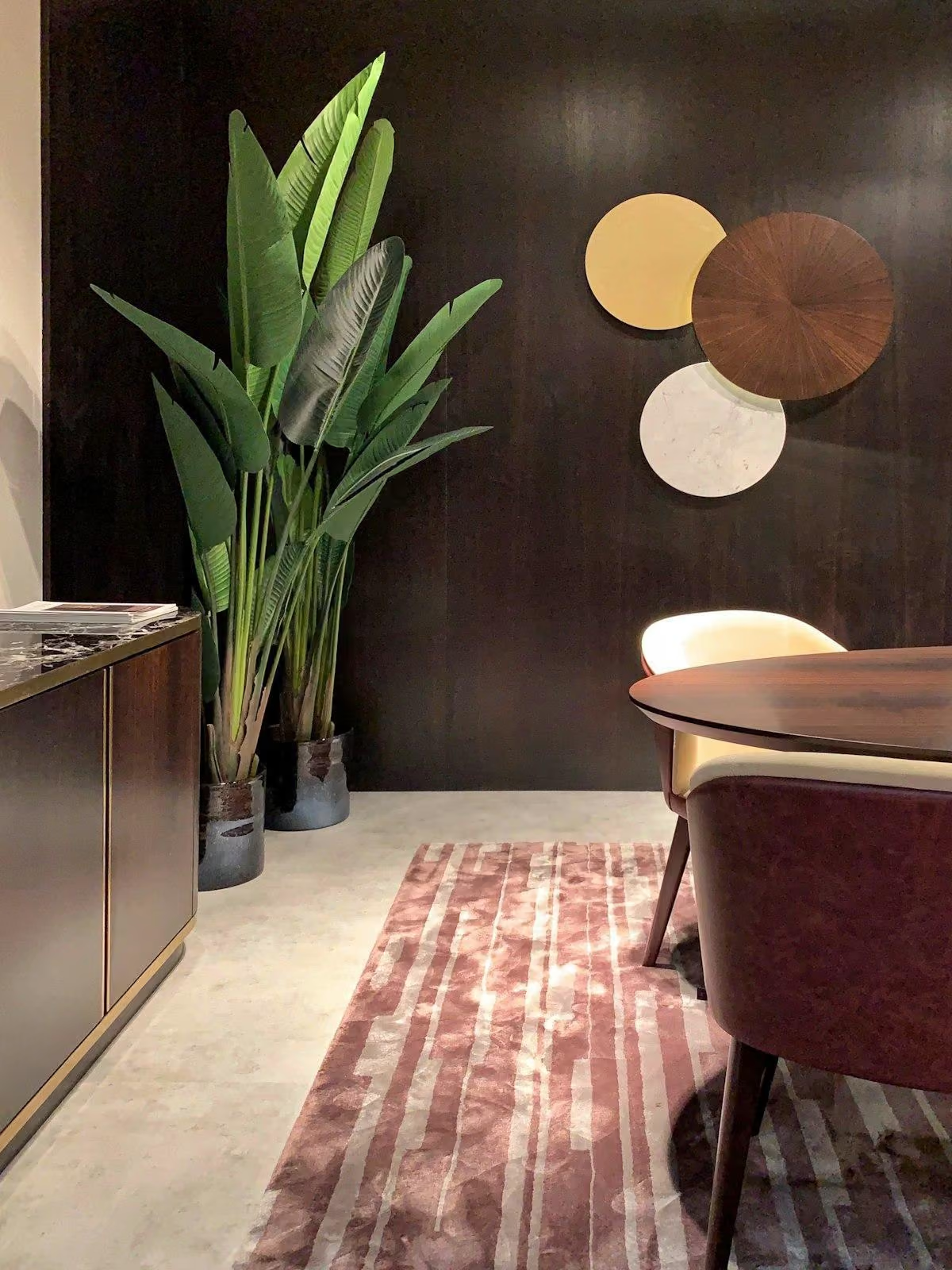
Rose, oatmeal and a quiet darker pattern can make a practical rug feel integrated rather than utilitarian. A subtle pattern may reduce the visual dominance of small marks, but it does not replace cleaning. View a sample with the existing upholstery and floor. The texture should feel comfortable for the way the household uses it, including bare feet, floor play or a pet’s resting place where relevant.
Check the exact product’s suitability for the intended use. A low-profile washable rug may feel different from a thick conventional rug, and that tradeoff should be understood. Do not add extra layers merely to imitate a more substantial texture if doing so conflicts with the product guidance or creates unstable edges. The rug should be chosen as a complete system. Its appearance, comfort, backing and maintenance all belong to the decision, rather than treating one attractive surface as separate from the practical components beneath it.
Protect the floor and preserve access
Follow guidance for the rug and the floor finish, including any pad requirements or material compatibility. Inspect underneath during cleaning so moisture or debris does not remain unnoticed. A washable rug should not become a way to conceal damaged flooring that needs attention. Keep the area dry and accessible enough that the floor can be inspected without dismantling the entire seating group. If the floor condition is uncertain, investigate it before covering the area permanently.
Keep door swings, vents and service access clear as required. Tables and chairs should remain stable on the chosen surface. A dining chair may move differently over a rug from a lounge chair, so test the actual use. If a corner repeatedly curls or shifts, address it according to the product guidance or reconsider the placement. Do not normalize an awkward edge simply because the rug matches the room. The best textile is one the household can enjoy without constantly adjusting it or warning visitors about it.
Compare value across the product’s life
A larger suitable rug may cost more initially but support the room better than a small inexpensive one. Include cleaning, drying, any separate pad and eventual replacement in the comparison. If a cover can be replaced independently, ask about availability and whether the system is likely to remain supported. A cheap washable rug that rapidly becomes uncomfortable or unstable is not necessarily economical.
The alternative may be a conventional rug with an appropriate cleaning service, or a different floor arrangement altogether. Compare those options honestly rather than assuming washable is always the practical winner. The household’s equipment, space and care preferences determine value. Avoid inventing current prices from a generic category. Obtain relevant product information and local service estimates where needed, then decide which routine the residents can actually sustain.
Trial proportions before ordering
Live with the marked footprint for a few ordinary days. Check movement with chairs occupied and doors open. Before buying, confirm the exact size’s cleaning instructions, machine requirements, drying method and floor compatibility. This proposal is unsuitable when any of those conditions cannot be met appropriately.
In an imagined weekend morning, bare feet reach a clean soft surface that connects the seating group, and the owner knows how the next spill will be handled. The rug feels practical because its care has been planned, and attractive because its proportions belong to the room. Neither quality had to be sacrificed to obtain the other.
Check, record, then decide.
A proposed worksheet for your own observations. Use consistent units for dimensions and keep the conditions with each record.
Useful room footprint
Where to check Around the actual seating group with chairs occupied and nearby doors open.
- Record
- Mark proposed rug edges using a suitable removable method; measure dimensions with units and note disconnected seating, awkward route edges or unstable furniture positions.
- Read the result
- The easiest rug size to wash may still be the wrong footprint for the room.
- If it does not work
- Reconsider furniture or compare another appropriate floor arrangement instead of accepting an undersized or obstructive rug.
Complete washing route
Where to check At the household's actual washer, drying arrangement and any available cleaning service.
- Record
- Identify exact rug construction and size, machine-capacity instructions and drying method; note who handles the wet item and whether separate layers are cleaned differently.
- Read the result
- A washable label does not establish that this household can manage the selected size and reassembly.
- If it does not work
- Choose a suitable different product or cleaning service before ordering a rug without a workable care route.
Floor and edge behavior
Where to check Under the sample or proposed system, at door clearances and along walking turns.
- Record
- Collect backing, pad and floor-compatibility guidance; note shifting, curling, retained moisture or inaccessible inspection areas during actual use.
- Read the result
- Washability cannot compensate for unsuitable layering or an edge the resident must repeatedly avoid.
- If it does not work
- Use an appropriate system, change placement or omit the rug when suitable movement cannot remain.
A practical trial
- Trial the marked footprint through ordinary movement before committing to the full product.
- Read instructions for the exact size and construction rather than borrowing care claims from another rug in the range.
- Plan moving furniture, drying completely and reassembling layers as part of cleanup, not after the first spill.
Compare the same scope
- A room-appropriate washable size with a complete care route
- A suitable conventional rug with realistic professional cleaning
- A different safe floor arrangement when textile layers do not work
Cost drivers to discuss: Correct size, construction and compatible pad; Machine or service access and drying effort; Replacement layers, floor protection and future support availability.
Choose another route when: Do not choose a rug whose cleaning, drying, edge stability or floor conditions cannot appropriately fit the actual home and user.
The download is a blank record template. Your completed notes remain wherever you choose to keep them; this page has no measurement-submission service.
Sources for this guide
Each reference’s supported point and limits appear beside the relevant passage above. Product documentation applies to the named product, rather than every similar item or the photographed room.
Source text checked November 4, 2026. Specifications can change; confirm the current instructions for the exact item before ordering.
Your questions, considered.
Will every size of a washable rug fit a home machine?
No. Check the exact product, construction and size against the machine requirements. Some larger rugs need different equipment, and drying capacity matters as well as the washing stage.
Should I buy a smaller rug just because it is easier to wash?
First test whether that size actually supports the seating group and circulation. An undersized rug may leave the room disconnected; compare suitable cleaning services or another floor arrangement before compromising useful proportions.
Do I need to check beneath a washable rug?
Yes. Follow rug and floor guidance, inspect for moisture or debris during cleaning and keep access practical. Washability should not conceal a floor problem or make repeated shifting and curled edges acceptable.
About this guide: written with AI assistance for TIANLICHUJU. These are general design ideas, not a measured survey or a completed client project. Any domestic vignette is fictional. Confirm product specifications, site dimensions and local requirements before construction; use qualified professionals for regulated work. Read our editorial approach or suggest a correction.