The decision, with conditions
- Choose this route when
- Choose a lamp arrangement after reading and moving through the room at the hours it normally becomes dim, using a separate useful source at each relevant seat.
- Use the alternative when
- Adjust curtain stack space, source shielding, or a room-edge lamp before repainting the entire room or replacing a central fitting that already serves another task.
- Stop or change the plan when
- Stop adding brightness when the obstacle is a reflected source, inconvenient switch, or shadowed page that the proposed fitting does not actually address.
Compare the practical options
| What the light diary shows | First adjustment | How to assess it |
|---|---|---|
| A reading chair becomes dim early | Position an appropriate shaded task lamp | Read a printed page in the normal seated position |
| The center is bright but edges disappear | Add a modest peripheral light source | Review the whole room during ordinary evening use |
| Open curtains cover the useful window area | Reconsider stack space or the visible layer | Compare the actual daylight with and without a sample |
| Lamps reflect in the screen or artwork | Move the source or change its shade | Check reflections from every main seat |
Brightness is a daily schedule, not a paint color
A Scandinavian-inspired living room is often associated with pale walls, light timber, and generous windows. Those ingredients can help a room feel clear, but they do not guarantee useful light in a home that loses daylight early. A white wall cannot illuminate a reader after the sun moves away. The first design question is when the room is used and what people need to see at that time.
Observe the actual low-light period, whether caused by orientation, surrounding buildings, or schedule. Put useful light at the activity before selecting more accessories to make the room look bright.
Observe the room before buying lamps
Keep a short diary of time, weather, seat, task, and active lights. Compare a printed page from the same positions; automatic camera exposure is not a reliable record of usable brightness.
Try the activities that matter. Read a printed page, find a book on a shelf, use the remote, and look toward the window from the sofa. A room can have adequate overall brightness while still placing the useful task surface in shadow. Conversely, a small lamp can make one chair work well without flooding the whole room with light. Separate those needs in the brief.
If the recurring condition is a north-facing room, compare Making a North-Facing Room Feel Deliberate.
Use pale surfaces strategically
A light wall near the available daylight can contribute to a bright impression, particularly when it is not blocked by a tall dark unit. This does not mean every surface must be white. A slightly warmer ceiling, a pale floor, and a limited amount of timber can establish a coherent background without the room feeling washed out.
Keep enough contrast for furniture edges and doors to remain legible. Very similar whites can reveal unexpected blue, green, or pink undertones when placed together. Compare large samples in the actual room and under the lamps being considered. The sample that looks pleasantly warm in a shop may look dull beside the room's flooring. Choose the relationship, not an isolated paint name.
Put useful light where people stay
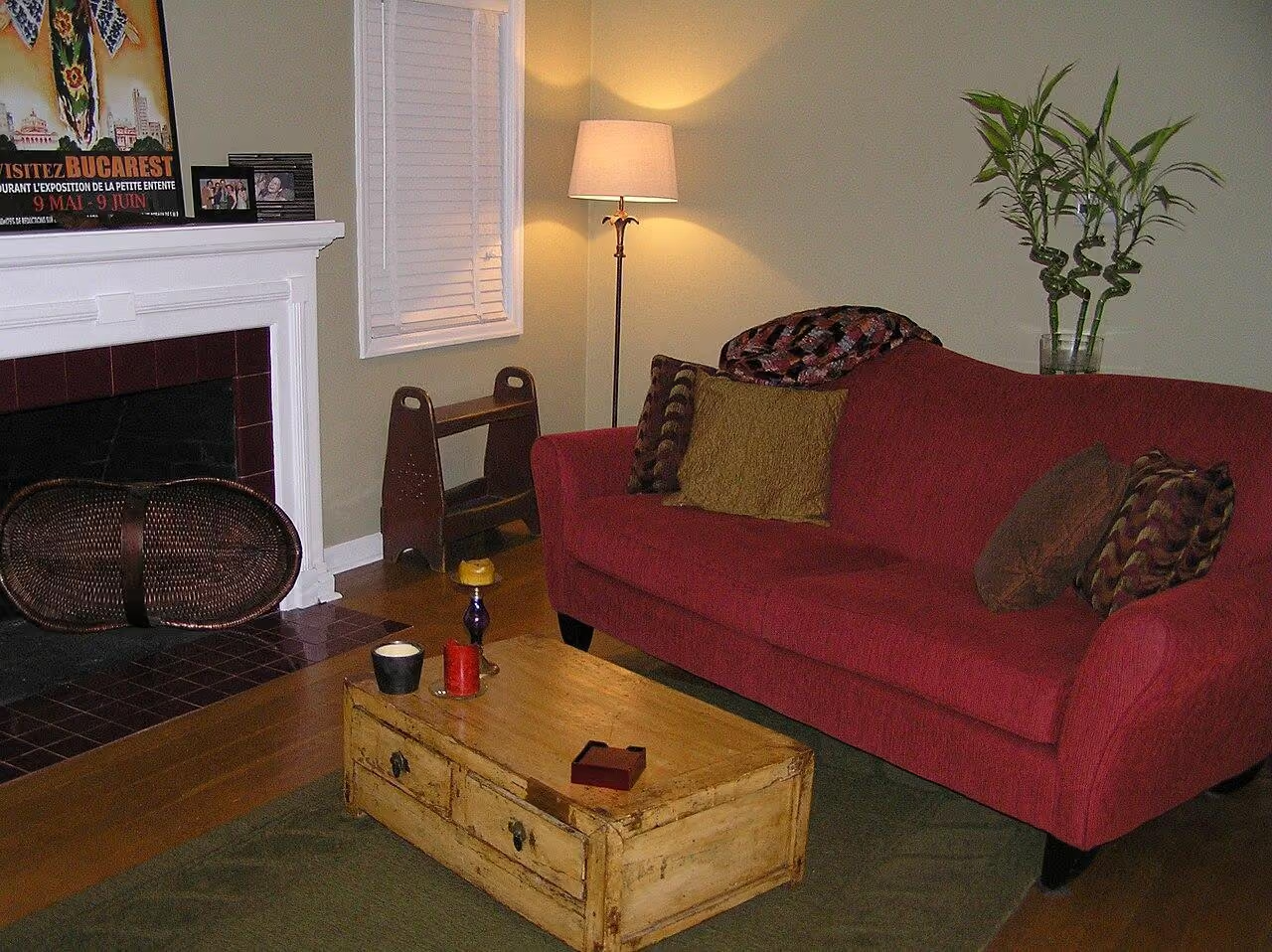
Give each main seat access to an appropriate lamp. A reader needs light on the page without a bright bulb dominating the view. The lamp may work beside or slightly behind the shoulder, depending on its shade and the occupant. Test the position with the actual chair rather than installing it symmetrically for appearance alone.
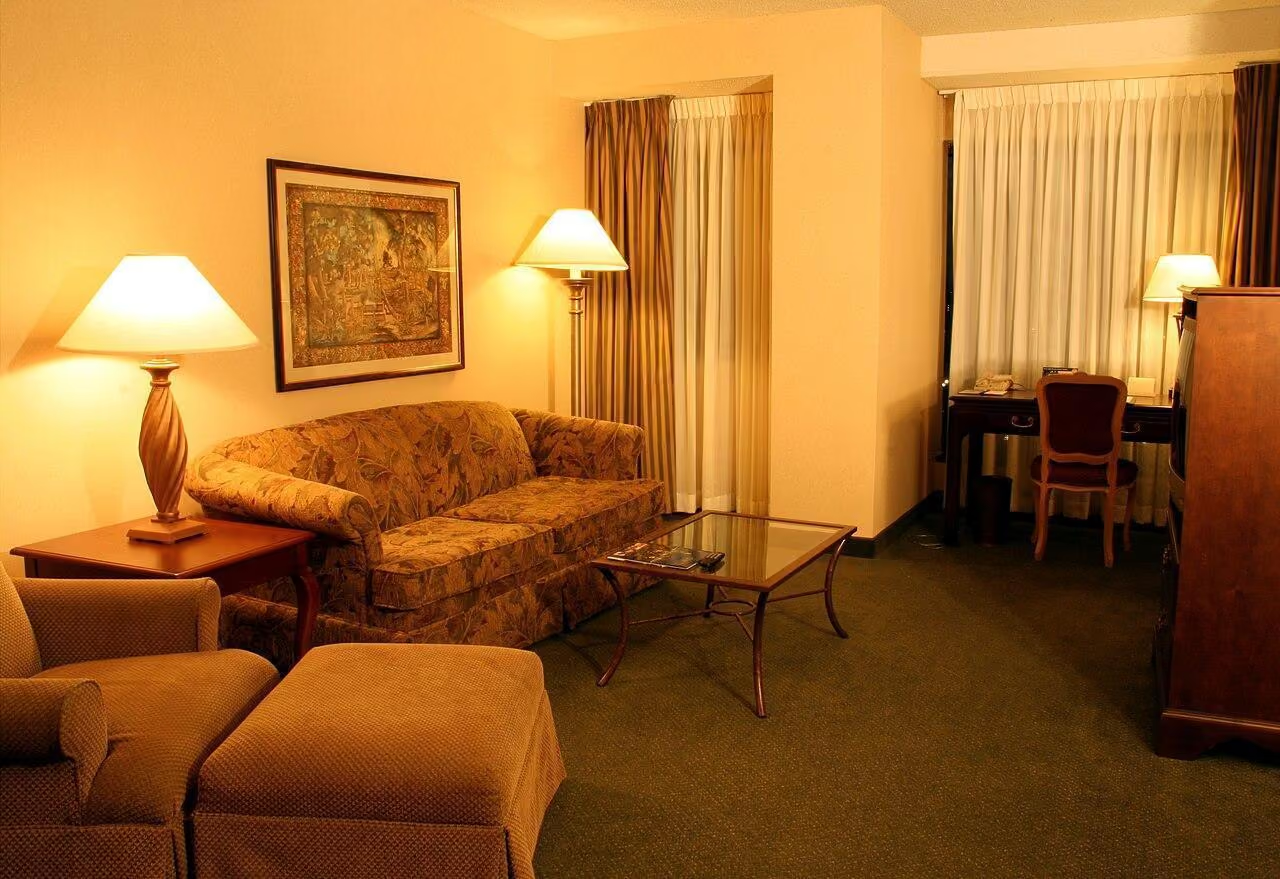
Another source at the room's edge can prevent a single bright pool from feeling isolated. A lamp on a cabinet, a softly illuminated wall, or a shaded floor light may serve that purpose. The fittings need not match, but their visual weight and light character should work together. Multiple modest sources often offer more flexibility than one very bright ceiling fitting.
Treat the window as part of the composition
Avoid placing a deep storage unit where it consumes the most useful daylight without a clear reason. A lower cabinet can preserve the visual connection to the window while keeping everyday objects close. Check curtains when fully open: stacked fabric can cover a meaningful part of a modest window, even when the photograph shows a generous opening.
Sheers may soften glare or provide daytime privacy, but their effect depends on the fabric and view. They are not automatically needed. If outside light is already limited, compare the room with and without a sample curtain before committing. A separate practical blind can sometimes provide privacy without keeping a decorative layer across the glass all day.
Before choosing linen for the visible window layer, examine Linen Curtains That Work beyond the Mood Board.
Add warmth through touch rather than darkness
Birch or oak, wool, cotton, and a small muted color can make a pale room feel domestic. Concentrate the strongest textile where it is useful: an upholstered chair, a washable cushion, or a rug that softens a seating group. Buying many small accessories to compensate for poor lighting usually adds visual work without solving the original problem.
A dusty rose or washed blue can create a recognizable accent while remaining gentle beside pale timber. Use it in a piece that earns its place, then allow the remaining surfaces to stay quieter. Avoid assuming that warm atmosphere requires a very dim room. The room should still support reading, conversation, and moving safely between seats.
Check glare, reflections, and controls
Sit in each chair and inspect the television, glazed artwork, and windows for reflected lamps. Move the source or change its shade before assuming the room needs more brightness. Exposed light points can be uncomfortable even when the fitting is attractive. Product descriptions and photographs rarely show the effect from every occupied position.
Switching should make the chosen arrangement easy to use. A floor lamp hidden behind a heavy sofa may remain off because reaching it is inconvenient. Plug-in switched outlets or accessible controls can help, subject to safe installation and local requirements. If connected controls are used, retain an understandable manual route. A guest should not need a phone application to turn on a reading light.
Spend on the light distribution before extra decoration
Start with a trial using existing lamps, borrowed fittings, or temporary positions with safely managed cables. Identify which source makes the largest improvement. This can prevent buying a statement fitting whose beam never reaches the place where someone reads. Include replacement lamps, dimmer compatibility, and accessible components in the comparison of products.
The finished room should work during the actual hour the household comes home. In an imagined rainy afternoon, a lamp is already beside the preferred chair and a warm textile is within reach. That small readiness carries more comfort than an all-white image. Confirm the light diary, occupied tests, sample colors, curtain effect, glare, and controls before considering the scheme complete.
Keep the lighting adaptable
A renter or a household expecting to move may benefit from freestanding lights that can serve another room. Position them with a genuine cable route rather than stretching leads across the floor. Where a permanent fitting would improve the arrangement, obtain the appropriate installation advice before purchasing it. Keep a note of lamp specifications and compatible controls so that a failed light source can be replaced consistently. The room should not lose its balance simply because an unusual bulb is no longer available. This modest planning is part of creating a lasting bright atmosphere.
Check, record, then decide.
A proposed worksheet for your own observations. Use consistent units for dimensions and keep the conditions with each record.
Occupied light diary
Where to check At each main seat during the late-afternoon and evening hours the household actually uses the room.
- Record
- Note time, weather, active lamps, readable tasks, and shadows; use the same printed page rather than judging automatic camera brightness.
- Read the result
- The diary locates task-specific difficulty; it is not a calibrated illuminance survey or a diagnosis of a person's vision.
- If it does not work
- Move an appropriate lamp to the affected activity before repainting every surface or adding a brighter central fitting.
Window and curtain loss
Where to check At the window with curtains fully open, then from the main chair facing that opening.
- Record
- Measure visible glass and fabric stack widths in centimeters; compare a safely held fabric sample against the current uncovered view.
- Read the result
- This records obstruction and perceived change under one condition, not a quantified daylight factor or an all-season prediction.
- If it does not work
- Alter stack space or separate practical privacy from the decorative layer when cloth removes too much useful daylight.
Reflected source
Where to check From every normal seated eye position toward screens, glazed art, and the opposite window.
- Record
- Draw which lamp appears as a bright reflection, its position, and whether moving the shade changes the occupied view.
- Read the result
- Seat-specific observations can identify glare candidates, but they do not establish a lighting product's universal comfort or compliance.
- If it does not work
- Change source position, shielding, or surrounding light rather than assuming a higher output will improve the task.
A practical trial
- Try existing lamps at the proposed seats with safely managed leads.
- Check reading and circulation after daylight fades, not only at noon.
- Operate each switch from its normal approach without moving heavy furniture.
Compare the same scope
- Useful beam and shade at each activity
- Accessible switching and safe cable route
- Replaceable sources, controls, and curtain coverage
Cost drivers to discuss: New outlets versus portable lamp positions; Compatible dimming or connected controls; Track changes to recover window area.
Choose another route when: A paint-only scheme is insufficient when the room is occupied after useful daylight ends or when the main problem is an exposed source beside a task.
The download is a blank record template. Your completed notes remain wherever you choose to keep them; this page has no measurement-submission service.
Sources for this guide
Each reference’s supported point and limits appear beside the relevant passage above. Product documentation applies to the named product, rather than every similar item or the photographed room.
Source text checked November 4, 2026. Specifications can change; confirm the current instructions for the exact item before ordering.
Your questions, considered.
Will white paint fix a living room that is dim after work?
Pale surfaces may support its visual brightness, but useful lighting must match the hours and activities. Test reading and circulation after daylight has faded.
Should every lamp in a Scandinavian room match?
No. Different fittings can serve different seats while sharing a compatible light character and visual weight. Their placement and glare matter more than an identical appearance.
How can I test the lighting before permanent work?
Try existing or borrowed lamps in proposed positions with safely managed cables. Use a light diary and occupied tests to identify which source gives the clearest practical improvement.
About this guide: written with AI assistance for TIANLICHUJU. These are general design ideas, not a measured survey or a completed client project. Any domestic vignette is fictional. Confirm product specifications, site dimensions and local requirements before construction; use qualified professionals for regulated work. Read our editorial approach or suggest a correction.