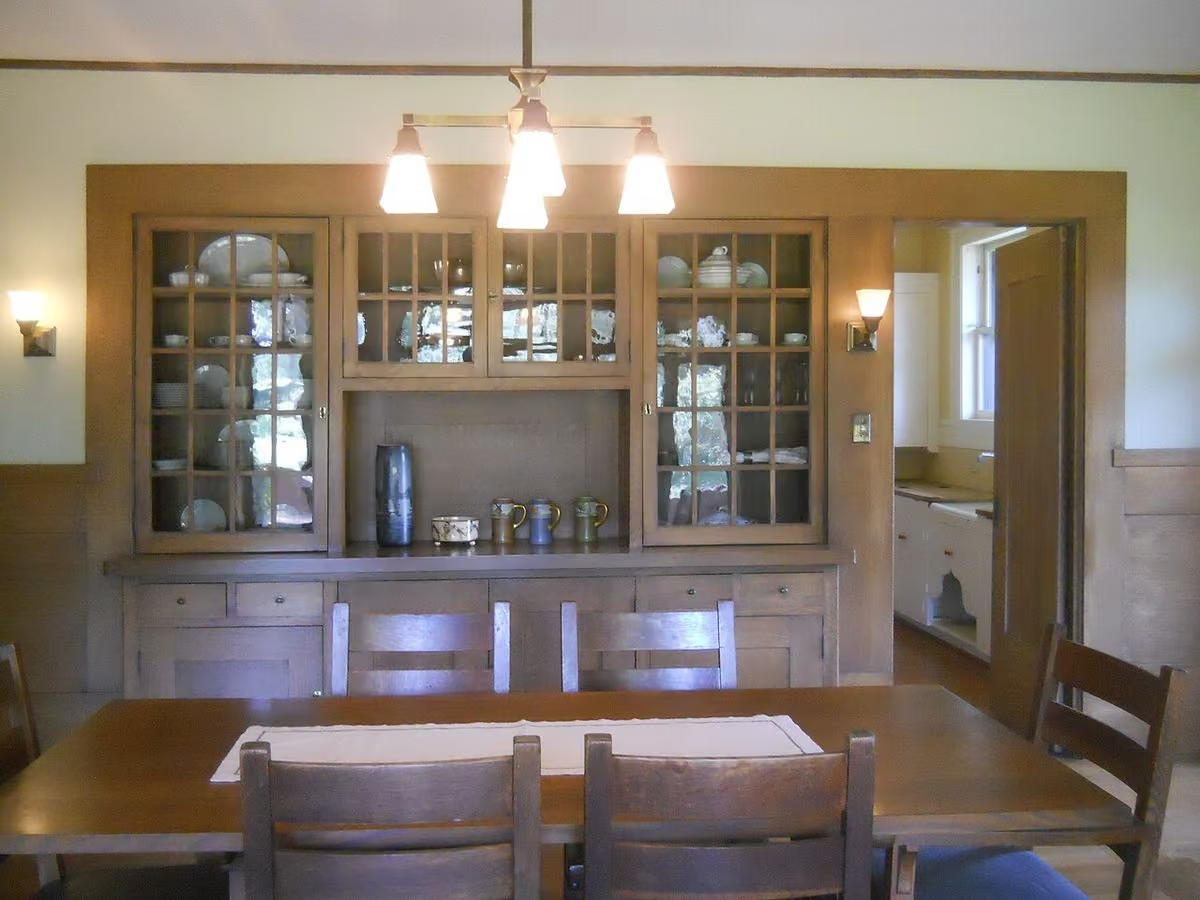
Mixed seat heights
Mixing dining chairs without mixing incompatible heights
The main guide for making different chairs work at one table.
Compare chair height, table aprons, armrests, occupied circulation and used-chair condition before buying dining furniture.
A dining chair and table are one working relationship. The tabletop height alone cannot tell you whether knees fit beneath an apron, arms can approach or a person can stand without moving the next seat. Use the actual furniture, the intended occupants and a laid table to make the decision.
Record the underside of the table at each proposed seating position, including aprons, frames, legs and extension mechanisms. Compare it with the chair’s occupied seat and any arm profile. A chair can fit beneath a tabletop but collide with the structure immediately below it.
For mixed chairs, assess each seat rather than relying on a matching style or era. Visual variety is compatible with practical consistency, but it does not create that consistency. Test the reach to cutlery and a glass as well as whether the empty chair can be tucked in.
If the issue is unequal seat height, begin with the mixed-height guide. If knees meet a rail, investigate the apron relationship. If an armchair cannot approach or turn, inspect its arm profile and the exit sequence. A secondhand chair adds condition and repair questions that are separate from appearance.
A bench or banquette introduces another set of access decisions. Consider who can enter and leave without asking everyone else to move, and whether another seat type is available. Do not treat a compact seating count as proof that every place will be equally comfortable.
Lay the normal plates, glasses and serving dishes. Seat the regular household and open the furniture that will be used. Rehearse passing to the kitchen, pulling a chair back and leaving the table. A formal furniture count can conceal an unusable place beside a leg or a blocked route.
There is no single chair-to-table dimension that replaces individual needs, product construction and applicable access requirements. Use reliable specifications and the actual trial; seek appropriate assessment for specific accessibility needs. The guides here explain the checks, not a universal compliance certificate.
If chairs differ, assess the table relationship and the usable position of each occupant.
Mixed Dining Chair Heights: Check the Whole Set at Your TableIf knees meet the structure beneath the top, inspect the apron rather than buying by tabletop height alone.
Dining Chair Apron Clearance: Check Arms and Knee RoomIf arms cannot tuck or turn, compare arm profiles and the standing sequence at the existing table.
Dining Chairs with Arms: Table Fit and Standing SpaceFor a used chair, identify the item, available recall information and the repair question separately from appearance.
Buying Secondhand Dining Chairs: Condition, Fit and RepairUse the conditions above to choose your route. Each linked article separates the proposed decision from its published references and its blank observation worksheet.
| Your main question | Start with | What must be observed |
|---|---|---|
| Why do these chairs feel different? | Seat height and occupied position | Reach, shoulder comfort and actual cushion compression |
| Why do knees hit the table? | Apron and frame clearance | The lowest obstruction at that specific place |
| Why will an armchair not tuck in? | Arm profile and approach | First contact, occupied distance and exit space |
| Is this used chair a worthwhile purchase? | Condition and identification | Structure, recall information and a complete repair scope |
The main guide for making different chairs work at one table.
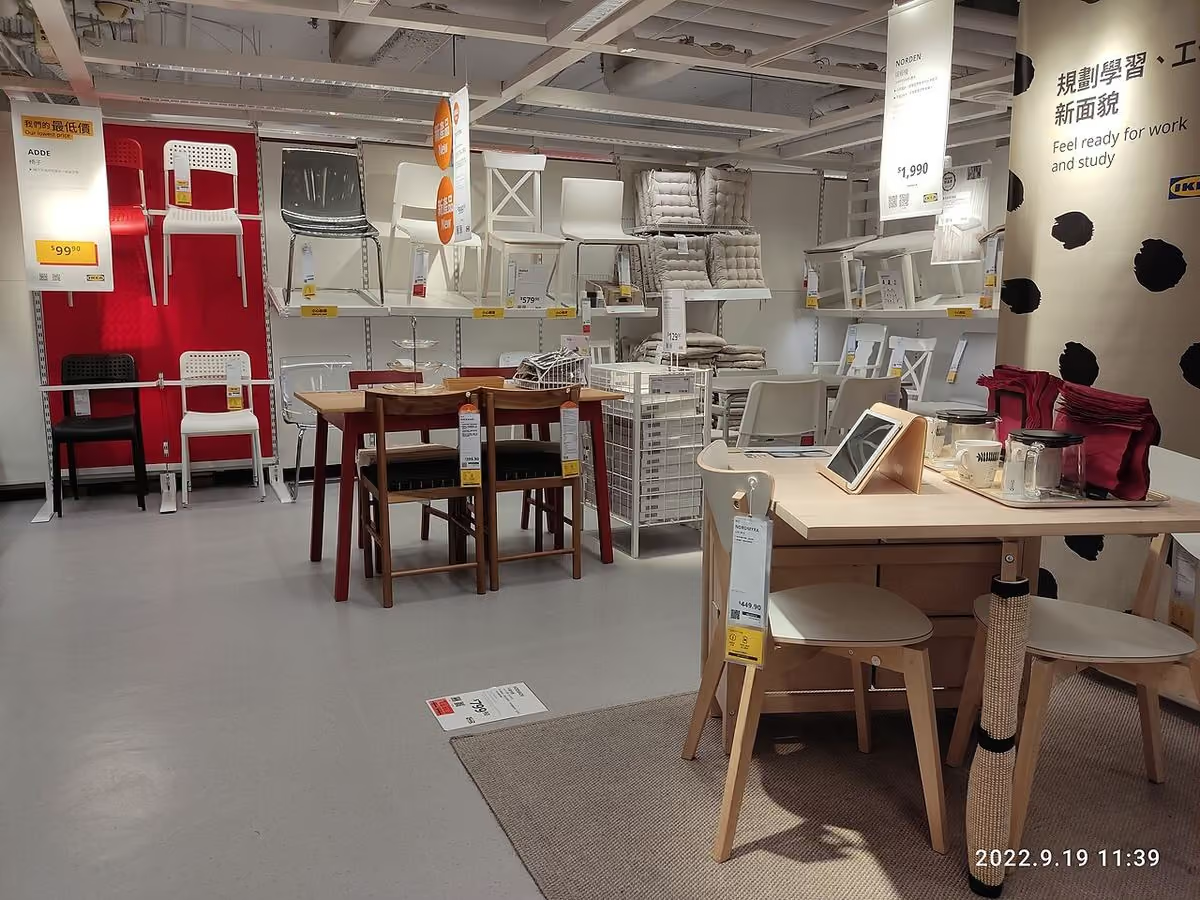
Investigate the underside rather than buying from tabletop height alone.
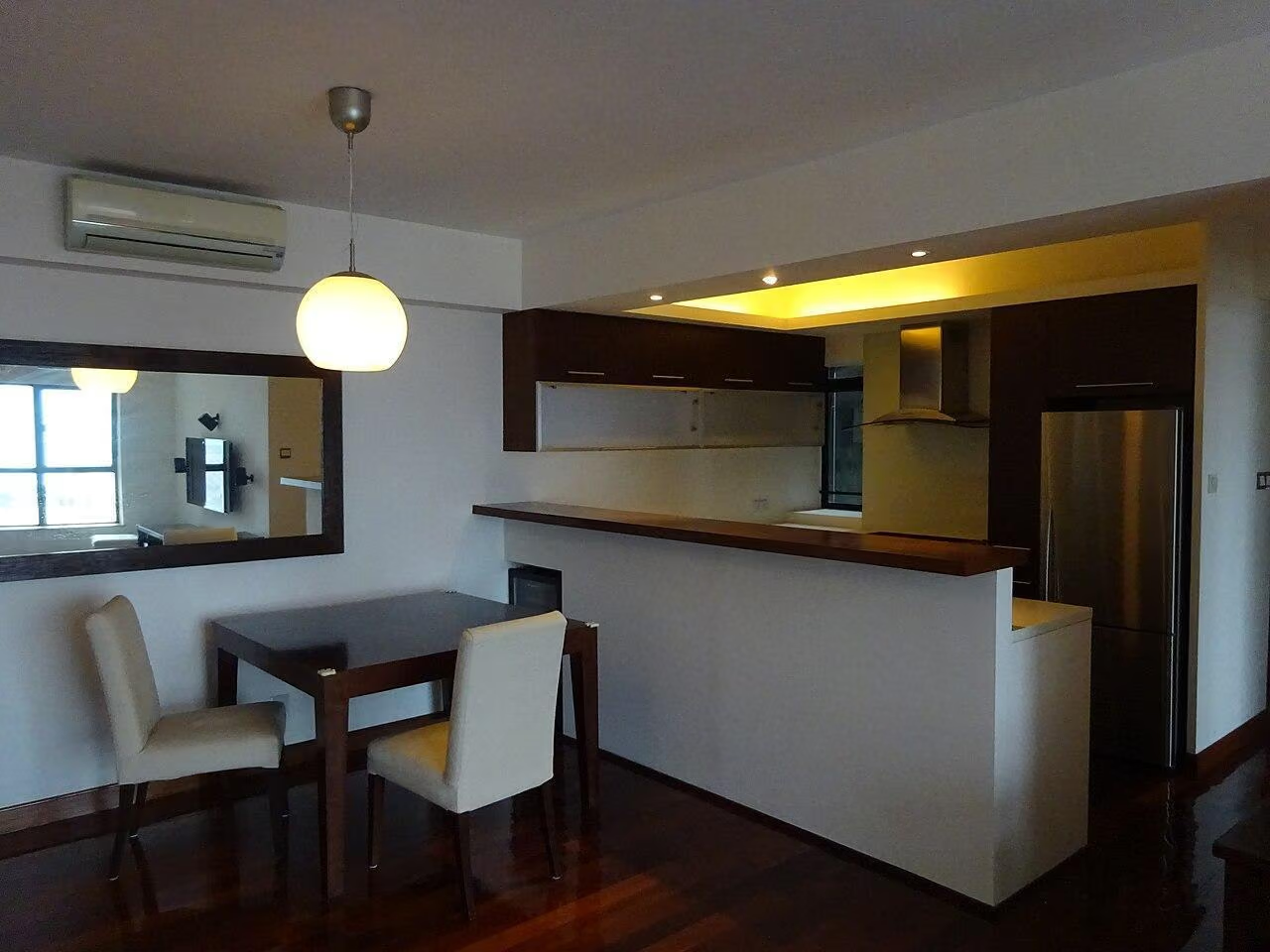
Check support, table contact, handling and standing space.

Assess identification, condition, repair and fit before paying.
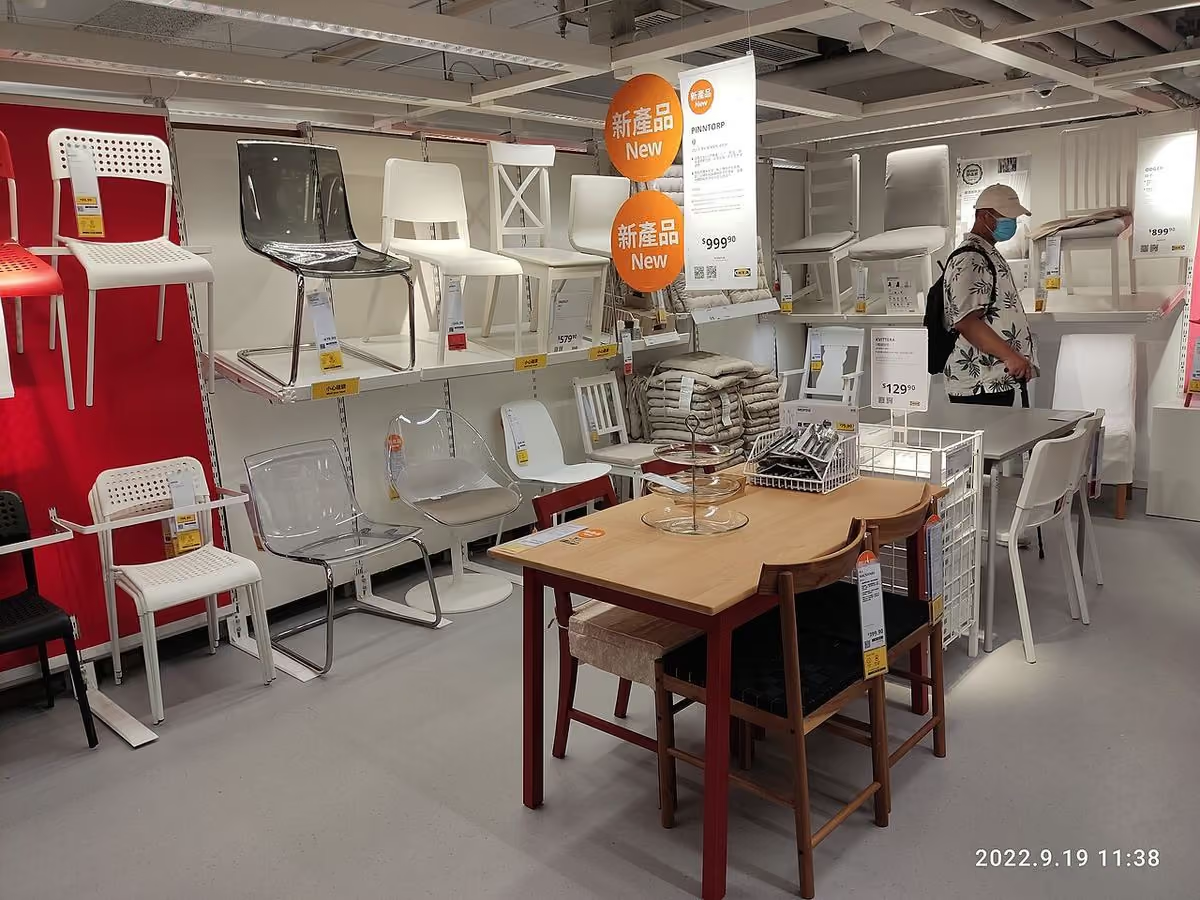
Plan the expanded state and the storage of anything displaced.
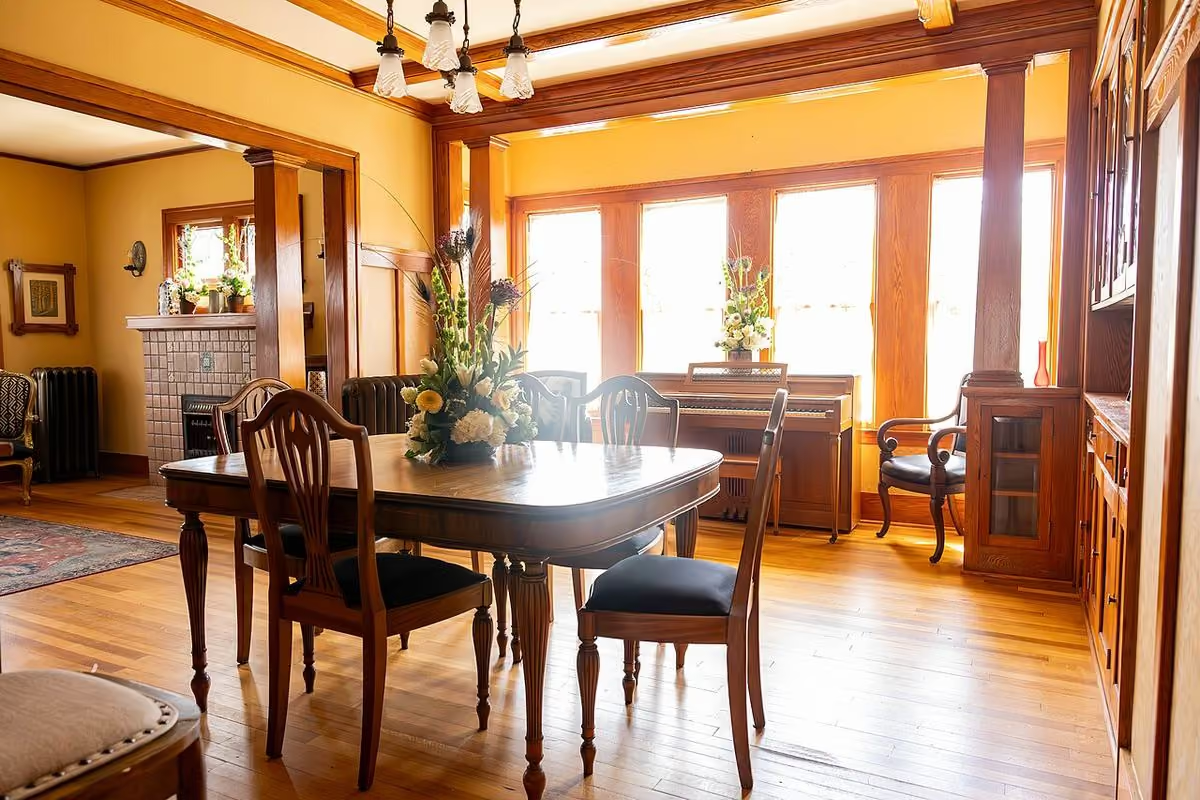
Consider who can leave independently and how the seat is maintained.

Light a meal without placing glare or fittings between faces.

Evaluate the circulation with every regular place in use.
These articles belong to this guide’s primary reading route. Choose the problem you actually have; related articles address different decisions.