The decision, with conditions
- Choose this route when
- Choose the daily place when the resident willingly uses its seat, can set out a real meal and has useful light and an easy return route to washing up.
- Use the alternative when
- Use a smaller or shared existing surface with an identified reset when that supports the routine better than a formal dining group kept mainly for rare visitors.
- Stop or change the plan when
- Do not call the arrangement complete if food, work or decoration competes for every landing area or the regular user cannot sit and move comfortably.
Compare the practical options
| Daily-dining choice | What to test | Why it beats a purely visual rule |
|---|---|---|
| Main seat position | Outlook, privacy and movement nearby | The most symmetrical position may be exposed or interrupted |
| Tabletop size | The actual plate, drink and serving items | A tiny attractive top may not support an ordinary meal |
| Local light | Visibility from the daily seat | Atmosphere should not depend on unusable darkness |
| Occasional second place | Real frequency and spare-chair storage | Rare hosting need not control the daily footprint |
Give the daily meal a worthy place
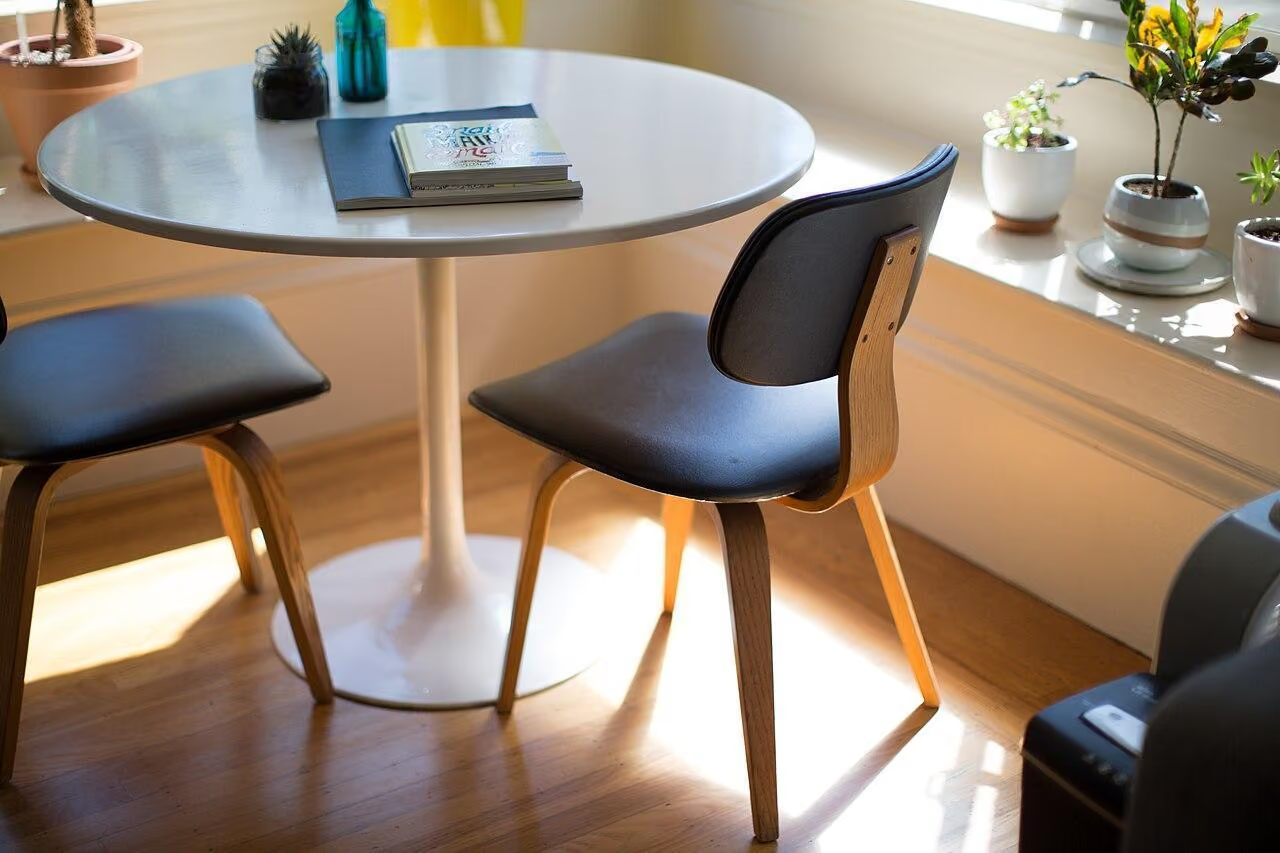
Start with the resident's actual meal, preferred outlook and comfortable seat. Give that daily use the best position available, then consider occasional company as a separate configuration. A modest table can feel deliberate when it holds the meal without balancing objects at its edge and is easy to clear. It need not wait in a formal guest layout to count as a finished dining place.
This direction suits someone living alone or someone whose meals often happen independently of the rest of the household. It is unsuitable when the proposed table is so small or poorly positioned that the normal meal becomes awkward. Solo dining is not a lesser version of hosting. The same care given to a guest’s comfort can be given to the daily seat, including its outlook, temperature, privacy and relationship to the kitchen. Practical attention is what makes the space feel special without a ceremonial setup.
Choose the seat before centering the table
Identify where the resident would most enjoy sitting. A view toward a window, a quiet wall or the wider room may be appealing for different reasons. Check the actual light and the movement nearby. A seat directly in the path between rooms may feel exposed or require repeated interruptions. The best position may not be the most symmetrical one on the plan.
Test the chair for an unhurried meal. Seat height, back support and the relationship to the table matter more than a decorative silhouette. A stool can be useful in some settings, but it should not be selected merely because it disappears beneath a counter. General furniture advice cannot establish comfort for every person. If the resident has specific physical needs, assess the setup individually and seek appropriate guidance. The daily dining position deserves the same practical trial as a favorite reading chair.
Make the surface large enough for real food
Set out the meal usually eaten, including a drink, cutlery and any serving item that remains on the table. A tiny circular top can look elegant while forcing everything to balance near the edge. The table should also accept the occasional different meal without requiring an elaborate rearrangement. If it doubles as a work surface, plan where work goes before eating begins.
Avoid filling the useful area with permanent decoration. A small vase or favorite object can be pleasant if there is still room for the plate and hands. Otherwise, let character come from the chair, wall color and light. Soft pink, ivory and walnut can make the corner warm without turning it into a miniature restaurant set. The resident should be able to sit down on an ordinary Tuesday without first moving a styled centerpiece to the floor. Readiness is part of the value of a dedicated place.
Give the room a gentle but useful light
Test light with food on the table and the resident in the intended seat. Note shadows, reflected glare and whether the source obstructs the view. If a shared surface moves between tasks, compare a suitably placed flexible source before committing a central pendant to a position that serves neither activity well. Keep ordinary visibility available even when a softer setting is wanted.
Layered control can let the corner serve breakfast, an evening meal and reading afterward. The atmosphere should not depend on darkness that makes food or movement difficult to see. A shaded source can provide warmth while preserving useful visibility. Open flames are not necessary for an intimate mood; appropriate lamps or flameless details can supply small points of light where desired. The goal is comfort the resident can adjust easily, not a lighting arrangement that only looks good from across the room.
A tea corner can share the meal area's useful local light without occupying the whole table. A Tea Corner for Slow Evenings in a Small Home.
Put everyday dishes close enough to use
Nearby storage can make the dining place feel intentional. Keep the dishes and textiles used regularly easy to retrieve, with reserve items elsewhere if space is limited. Measure the actual contents before buying a cabinet. A large formal display unit may occupy more floor than it contributes to daily ease. A modest shelf or drawer can be sufficient if it works safely and suits the room.
If the table is shared with another activity, give that activity a closing destination. A laptop, notebook or hobby should not permanently occupy the meal surface because no storage was planned. The transition can be simple: one tray or drawer for active material. Avoid an elaborate sorting system that becomes a reason to eat elsewhere. The dining corner is most useful when it remains available without demanding a perfect household reset. A person living alone deserves a design that reduces friction rather than adding decorative obligations.
A table that carries study or work also needs a simple path back to meals. A Homework Corner That Can Become a Dining Space Again.
Allow occasional company without sacrificing the daily arrangement
A spare chair or small extension may be useful if guests genuinely visit. Check where it is stored and how the room works when another person sits down. The daily table should not be oversized solely for rare occasions, but an occasional guest should have a credible place rather than an uncomfortable perch. Compare the actual frequency of use with the floor area and cost involved.
Portable pieces can offer flexibility in a small home, while fitted seating may use a difficult corner precisely. Consider maintenance, delivery and future moves as part of the choice. One excellent chair and suitable light may provide more daily value than a complete matching set. Do not assume a lower price is better if the table wobbles or the seat is avoided. The investment should follow the experience repeated most often, which in this case is the resident’s ordinary meal.
Rehearse the meal before finishing the scheme
Eat several normal meals in the proposed position using existing furniture where possible. Notice the reach to the table, the view, the light and the route to washing up. Revise whatever makes the meal feel temporary or awkward. This plan is unsuitable when the surface or seating cannot support the resident’s actual routine comfortably.
In an imagined evening, a place is set carefully because the meal matters to the person eating it. A book may wait nearby, or music may be playing, but no performance is required. The corner feels complete through useful proportions and familiar materials. Its romance is the quiet recognition that hospitality can be directed toward oneself as an ordinary part of making a home.
Check, record, then decide.
A proposed worksheet for your own observations. Use consistent units for dimensions and keep the conditions with each record.
Daily seat and outlook
Where to check At the position the resident would actually use for ordinary solo meals.
- Record
- Note view, privacy, light, drafts or interruptions and the user's seated comfort; identify the actual chair rather than evaluating a decorative substitute.
- Read the result
- The most symmetrical table location may be less welcoming than a quieter useful daily position.
- If it does not work
- Move the daily place or try a more suitable seat before buying a larger dining set.
Real meal surface
Where to check On the proposed tabletop with a normal plate, drink, cutlery and serving items.
- Record
- Measure the usable surface with units and sketch the actual setting; note edge crowding, awkward reach and decoration moved to fit ordinary food.
- Read the result
- A tiny attractive table is not efficient if it cannot support the meal the resident normally eats.
- If it does not work
- Use a more appropriate top or reduce permanent display rather than accepting an unstable arrangement.
Shared use and cleanup
Where to check Between nearby dishes, active work storage, table and washing route.
- Record
- List the steps needed to make the meal space available, including laptop or hobby removal; note where current materials end and what remains on a dining chair.
- Read the result
- A dedicated feeling comes partly from readiness, not from owning furniture labeled for dining.
- If it does not work
- Provide an achievable closing destination or reconsider the competing activity's location.
A practical trial
- Eat several ordinary meals at the proposed place before judging its usefulness or buying replacements.
- Test useful adjustable light from the daily seat without relying on decorative darkness or an awkward cord route.
- Try an occasional second place only if it is genuinely needed, including spare-chair retrieval and occupied movement.
Compare the same scope
- One comfortable chair and an appropriately useful table
- Existing furniture improved with light and nearby storage
- Modest occasional expansion rather than permanent excess capacity
Cost drivers to discuss: Repeated daily comfort rather than a complete matching set; Suitable lighting and manageable surface care; Rare-guest furniture footprint, storage and future portability.
Choose another route when: Reject a solo arrangement whose seat or surface cannot support the resident's actual meal comfortably despite its small visual footprint.
The download is a blank record template. Your completed notes remain wherever you choose to keep them; this page has no measurement-submission service.
Sources for this guide
Each reference’s supported point and limits appear beside the relevant passage above. Product documentation applies to the named product, rather than every similar item or the photographed room.
Source text checked November 4, 2026. Specifications can change; confirm the current instructions for the exact item before ordering.
Your questions, considered.
How small can a dining table for one be?
Use the actual meal and seated routine to decide. Set out the plate, drink and other items normally used, then check comfort and reach rather than choosing the smallest decorative tabletop.
Should I buy a larger table for occasional guests?
Compare the actual frequency with everyday space and comfort. A suitable spare chair or modest flexible arrangement may serve occasional company without letting rare gatherings dominate daily life.
How can a table used for work remain a proper dining place?
Give active work a nearby closing destination, such as a suitable tray or drawer. The transition should be simple enough that eating does not require a complete household reorganization.
About this guide: written with AI assistance for TIANLICHUJU. These are general design ideas, not a measured survey or a completed client project. Any domestic vignette is fictional. Confirm product specifications, site dimensions and local requirements before construction; use qualified professionals for regulated work. Read our editorial approach or suggest a correction.