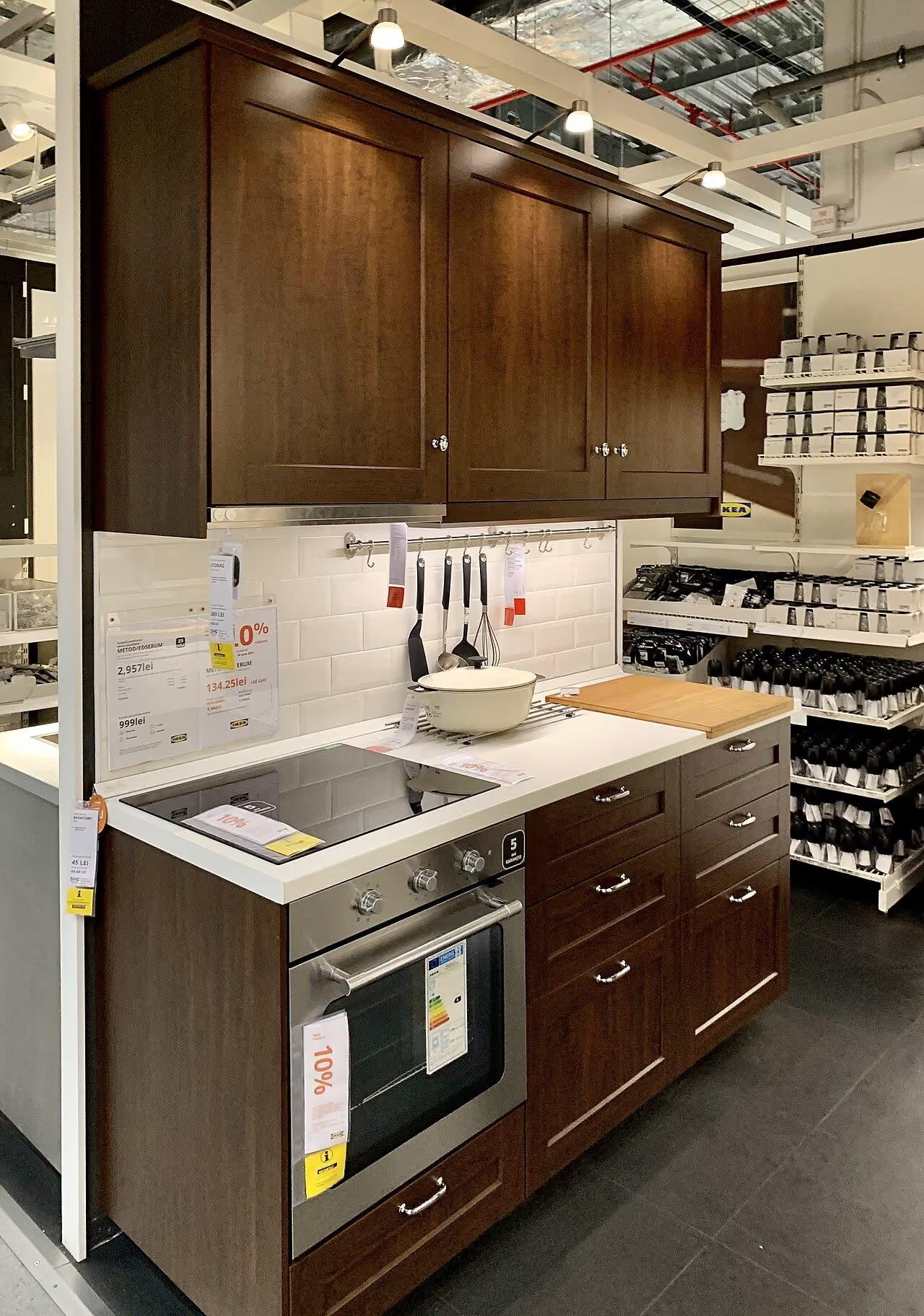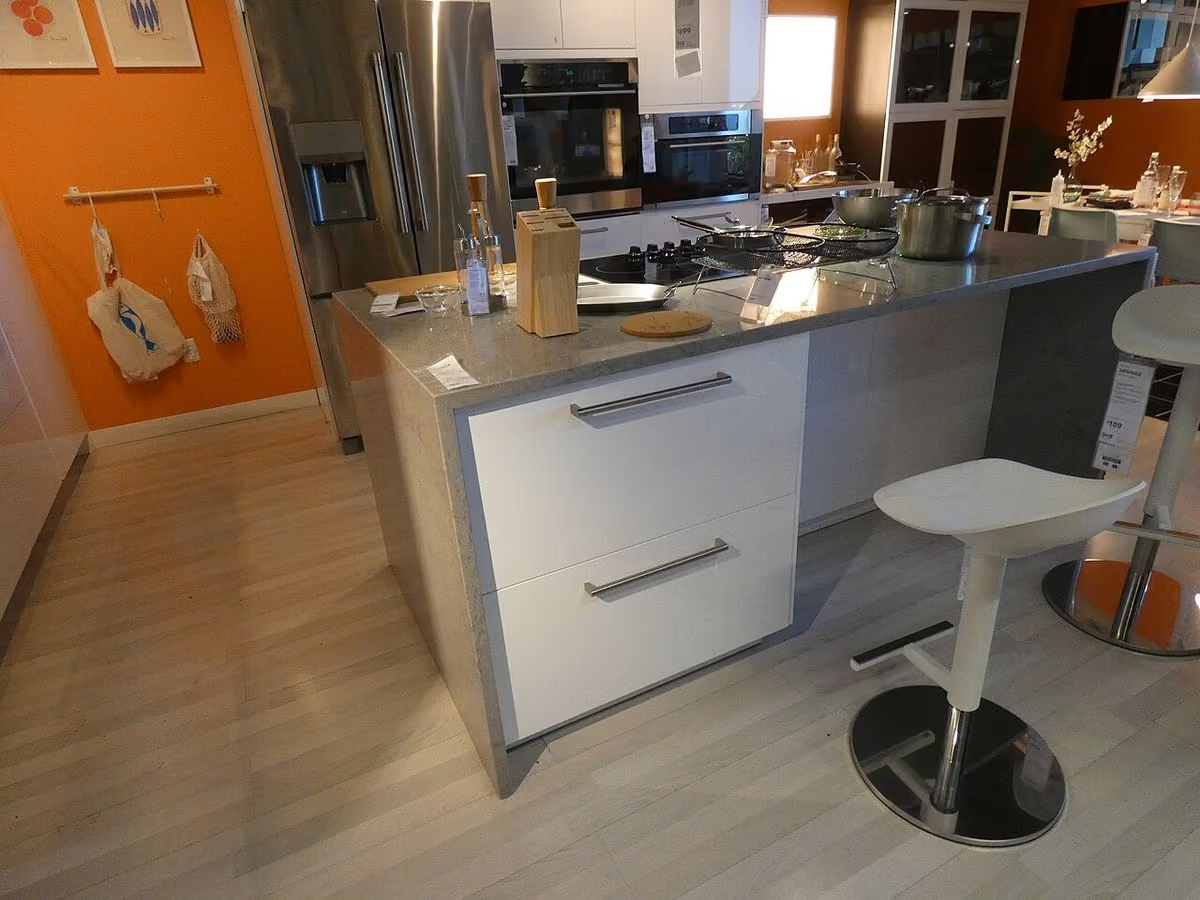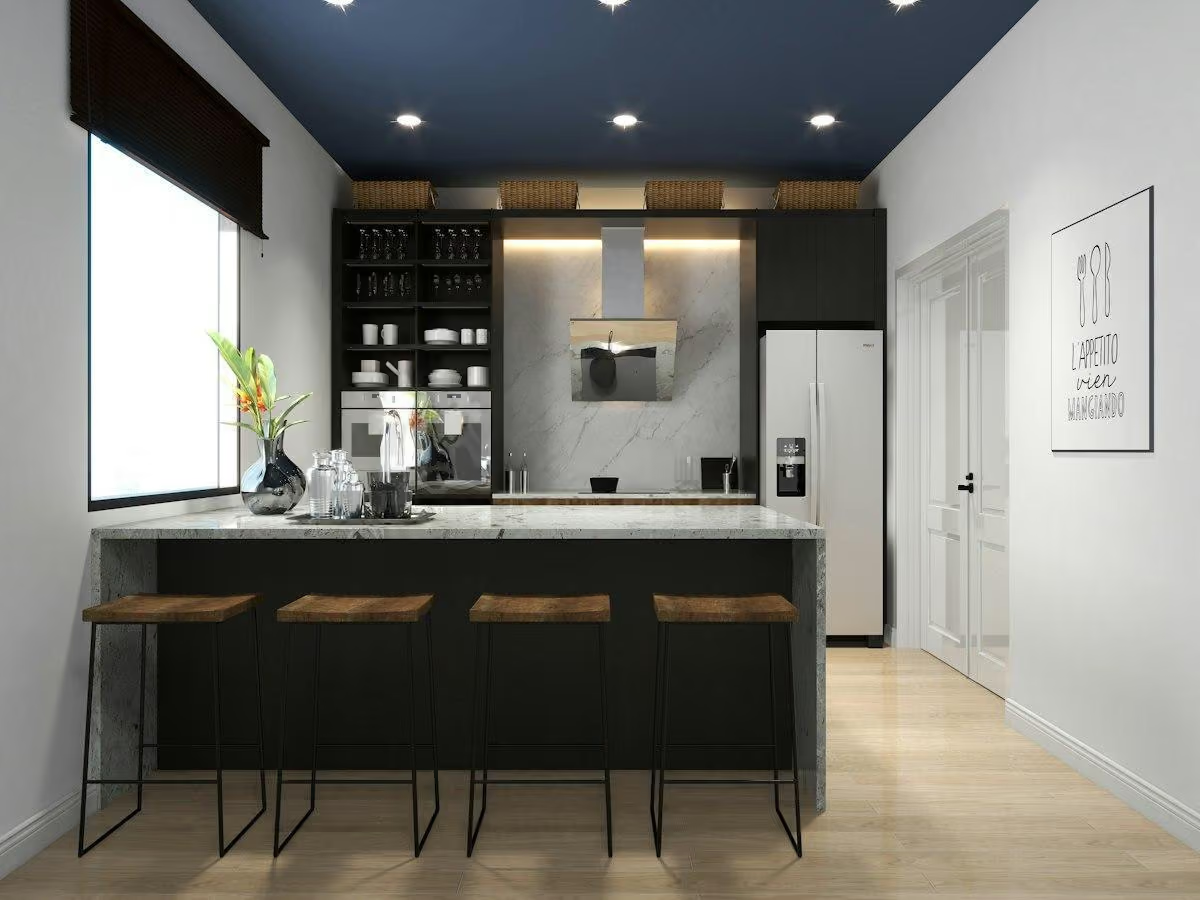
The decision, with conditions
- Choose this route when
- Choose the station when the actual appliance can operate as instructed and the household can fill, prepare, serve, return and clean using the available surface and services without repeated rearrangement.
- Use the alternative when
- Keep a smaller group beside the existing kitchen work area when a separate attractive station creates awkward water carrying, used-cup accumulation or installation demands that the rental cannot support.
- Stop or change the plan when
- Do not put an appliance on a decorative shelf or improvise a supply merely to complete the scene; resolve the particular product's operating conditions and rental permissions before establishing the station.
Compare the practical options
| Routine friction | Check the real requirement | Smallest useful trial |
|---|---|---|
| Repeated walks with water | The sink-to-appliance route | Move supplies or the suitable preparation position |
| The appliance fits only when closed | Lids, tanks, steam and service space | Rehearse the full operating envelope |
| Cups accumulate after use | The return route to washing | Define a temporary used-cup landing place |
| Cleaning requires dismantling a display | Access around and beneath the appliance | Remove unnecessary exposed items |
Follow the cup all the way through
Follow one cup from the water source to its return after use. Note every place occupied by the appliance, supplies, serving and cleaning. This identifies whether a separate station helps or merely spreads the same work across more furniture. Start with a suitable existing surface and the actual equipment, then purchase only the storage that removes a demonstrated interruption in the sequence.
Choose the working surface before the shelf
Check the particular appliance's instructions against the candidate surface before placing it there for a trial. Include its open or operating position and access for the person using it, rather than only its stored outline. If the arrangement cannot meet those conditions, compare another existing location. A new organizer should refine a suitable setup, not make an unsuitable piece of furniture appear to be a worktop.
Keep supplies within a single useful reach
Place the most frequently used cups, tea, coffee and spoons where they can be reached without moving another object first. This does not mean leaving everything on open display. A nearby drawer can be more efficient than a high shelf, particularly for small items that otherwise become a collection of jars. Use the actual household quantities. If only two mugs are used each morning, a display of twelve may add visual noise and cleaning without improving the routine. Keep occasional serving pieces elsewhere. If more than one person uses the station, check their reach and preferred sequence rather than organising it around the tallest person. Labelled closed containers can help where original packaging is awkward, but retain the information needed for identification, storage and use instead of decanting solely for a uniform appearance.
For a tea-focused storage routine, also compare A Tea Corner for Slow Evenings in a Small Home.
Treat water as part of the layout
A station far from the sink can appear tidy while requiring repeated walks with a full container. Decide whether that tradeoff is reasonable for the person using it. Consider where drips occur during filling and how the surface will be wiped. A removable mat or tray may help collect minor spills if it suits the appliance and surface, but it should not conceal recurring moisture or make the machine unstable. Check the finish below it regularly. Do not propose improvised plumbing or a waste connection simply to create the appearance of a built-in coffee bar. If a machine requires a direct connection, the installation belongs within the appropriate professional and permission process. For a straightforward rental arrangement, an appliance designed for the available setup is often the more practical starting point.
Make the used-cup route obvious
The drinks area should not become the permanent home of used cups. Look at the return path after the drink is finished. If the washing area is far away, a small temporary landing place may prevent cups from spreading across the room, but it needs a routine for clearing it. Avoid putting clean and used items together in a way that creates confusion. A shelf designed for beautiful cups can remain a display shelf while the working cups live near the preparation area. That distinction is useful when somebody enjoys collecting ceramics but does not want every piece handled each morning. The station should support both the daily habit and the collection without pretending they have identical storage requirements. A short, understandable route is more valuable than perfect symmetry between matching jars.
Design for cleaning without dismantling the room
Lift the appliance according to its instructions and consider access to the surface beneath it. Can the area be cleaned without unplugging several unrelated devices or removing a tower of accessories? Provide enough space to wipe surrounding surfaces and remove the parts that need routine maintenance. Care requirements vary greatly between appliances; do not assume that a simple-looking machine is maintenance-free. For a shelf above the station, choose contents that are genuinely useful there and do not create a difficult overhead cleaning task. Open shelves near food preparation may collect residue as well as dust. A closed cupboard may be the better choice for infrequently used cups. The professional question is how the arrangement will be maintained after the first week, rather than whether the open storage looks lighter on installation day.
Before adding open kitchen storage above the station, read Keeping Scandinavian kitchen shelves useful rather than decorative.
Respect the rental and the electrical setup
A station should use the available space and services appropriately. Do not create a permanent arrangement that depends on trailing leads across a walking route or concealing connections behind inaccessible furniture. Follow the appliance instructions and obtain qualified advice if the existing electrical provision is unsuitable. For wall storage, confirm tenancy permission and the fixing requirements of the actual wall and intended load. A freestanding cabinet can avoid some wall alterations, but it still needs to be stable and suitable for its use; anti-tip requirements and access to sockets remain relevant. Check the entire furniture footprint with doors and drawers open. A movable piece is only a flexible solution if it can actually be moved or maintained without turning the kitchen into an obstacle course.
Trial one complete morning
Before ordering a shelf or cabinet, arrange the proposed station temporarily using suitable existing storage. Rehearse an ordinary morning with the appliance off where safety requires, following every movement from taking a cup to returning it for washing. Count the objects that must be moved to reach another object and remove avoidable layers. This approach suits someone who repeats a small set of drinks and wants a calmer routine. A household making many different drinks for several people may need more counter and storage capacity rather than a compact decorative station. Keep the final scheme modest: a reliable working surface, reachable supplies, a cleaning route and a clear place for the cup. The ritual can feel personal through one well-loved mug or a useful material, without turning an everyday task into a permanent display project.
Check, record, then decide.
A proposed worksheet for your own observations. Use consistent units for dimensions and keep the conditions with each record.
Appliance operating envelope
Where to check The proposed stable preparation surface with the selected appliance cool and disconnected where needed.
- Record
- Outer dimensions, lid or tank movement, specified clearances and the route for removal and cleaning.
- Read the result
- A closed footprint does not establish suitability beneath a cupboard or shelf.
- If it does not work
- Use another compliant location or appliance rather than conceal the conflict.
Water and supplies route
Where to check Between sink, preparation surface, cups, ingredients and spoons during one complete drink routine.
- Record
- Trips, turns, items moved to reach another and where drips need cleaning.
- Read the result
- A separate drinks display can add handling even when it looks orderly.
- If it does not work
- Reorganise nearby drawers or cupboards before adding furniture.
Return and cleanup
Where to check The used-cup landing place and access around and beneath the appliance.
- Record
- What remains after the drink, what must be lifted and which parts require routine maintenance.
- Read the result
- A tray may collect spills without resolving trapped moisture or blocked access.
- If it does not work
- Reduce exposed supplies and provide a simpler wash-and-return route.
A practical trial
- Read the actual appliance instructions before choosing the supporting shelf or counter position.
- Rehearse filling, preparation and clearing using normal household quantities.
- Confirm rental permissions and appropriate fixing or electrical work before permanent alterations.
Compare the same scope
- Exact appliance and operating needs
- Existing storage reorganisation
- Any new surface and fixing
- Water, power, access and reinstatement scope
Cost drivers to discuss: Furniture or shelf construction; Permitted installation work; Appliance choice and ongoing maintenance.
Choose another route when: A compact station is not enough for a household whose simultaneous drinks preparation exceeds the available safe working surface.
The download is a blank record template. Your completed notes remain wherever you choose to keep them; this page has no measurement-submission service.
Sources for this guide
Each reference’s supported point and limits appear beside the relevant passage above. Product documentation applies to the named product, rather than every similar item or the photographed room.
- Breville BKE625 Kettle Instructions, Australia and New Zealand · Read the supported point and its limits
Source text checked November 4, 2026. Specifications can change; confirm the current instructions for the exact item before ordering.
Your questions, considered.
Can a kettle go on a decorative floating shelf?
Do not assume so. Check the appliance’s operating space, heat and steam requirements, shelf capacity, fixings and surrounding materials.
Is open storage always easier for a drinks station?
No. A nearby drawer or closed cupboard may keep supplies accessible while reducing dust and visual clutter.
What is the first improvement to try in a rental kitchen?
Reorganise the existing preparation and storage sequence before adding furniture. Test the complete routine, including water, cleaning and used cups.
About this guide: written with AI assistance for TIANLICHUJU. These are general design ideas, not a measured survey or a completed client project. Any domestic vignette is fictional. Confirm product specifications, site dimensions and local requirements before construction; use qualified professionals for regulated work. Read our editorial approach or suggest a correction.