The decision, with conditions
- Choose this route when
- Choose the coastal direction when gentle color, useful daylight and practical night privacy can be achieved with the existing bed and floor, keeping new layers limited and usable.
- Use the alternative when
- If the window needs substantial functional work, spend there first and introduce the mood through one care-compatible cover rather than a complete themed furniture change.
- Stop or change the plan when
- Stop copying the reference when its curtain arrangement, exposure or maintenance conflicts with the climate and the resident's actual sleep routine.
Compare the practical options
| Bedroom condition | Practical choice | What to check |
|---|---|---|
| Warm timber floor | Compare softened blue or green textiles | View the sample beside the actual floor |
| Bed crowded with cushions | Keep layers used for warmth or support | Give removed layers an accessible storage place |
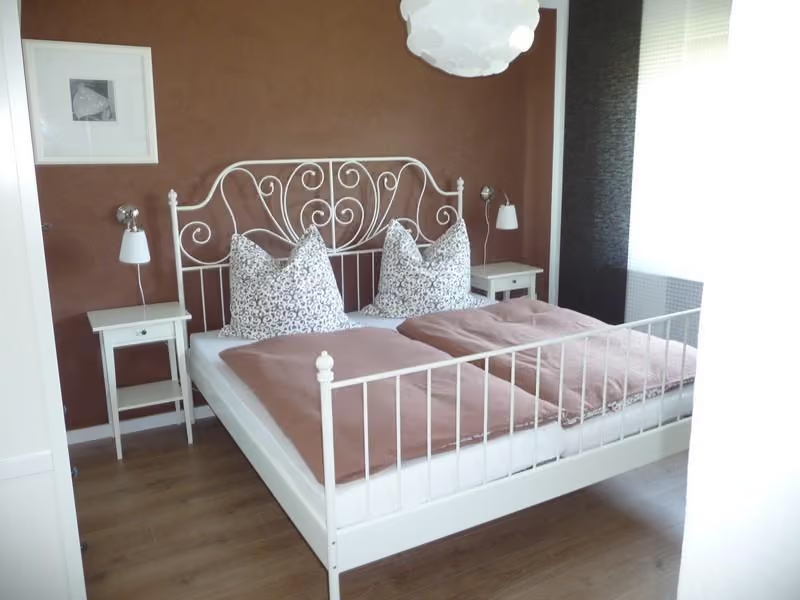
| Open bedside stool holds loose items | Consider a simple drawer and stable top | Reach the lamp and drink from the pillow |
| Actual coastal exposure | Ask about suitable hardware and finishes | Confirm product care and local conditions |
Let the room belong to its own place
Decide which coastal qualities matter before selecting objects: softer daylight, comfortable bedding or a quieter view from bed. Keep the existing floor and major furniture in the first comparison. A room can achieve those qualities far from the sea; adding nautical motifs will not resolve a poor window treatment or an uncomfortable textile.
This approach suits people drawn to pale color and informal fabrics who still need the bedroom to support workday routines. It can also accommodate a partner who dislikes themed decoration: agree on a shared background, then let a small number of textiles carry the association with the sea. If you prefer crisp contrast and glossy surfaces, an airy palette alone will not make this style comfortable for you. Keep the parts that suit your habits rather than treating coastal design as a complete package.
Diagnose the window before choosing blue
Make a window brief with separate entries for waking daylight, dressing privacy and darkness during the intended sleep period. Record which functions the present covering already provides and where fabric stacks when open. Then ask a supplier to resolve the missing function without assuming that a sheer coastal appearance supplies it. Compare two actual constructions at the same window; if the heavier option obstructs useful glass, revise its track or layering before selecting the decorative color. The coastal character should follow a workable window, not determine its performance.
For many rooms, separate daytime and nighttime control is the most adaptable arrangement. A privacy layer can remain in place while an opaque layer opens fully. The layers do not have to be bulky or ornate, but their fixings, operating space, and cleaning method need consideration. Check whether a proposed rail conflicts with a wardrobe door, a radiator, or the edge of the headboard. In rented accommodation, confirm the permitted fixing method before buying hardware whose appearance depends on drilling into the wall.
Build a palette from what is already fixed
A warm oak floor and a cool gray carpet respond differently to the same washed blue. Place a fabric sample directly on the floor and beside the largest piece of existing furniture before deciding that a color is too cold or too beige. The useful coastal relationship is often between warm and cool surfaces, not between blue and white alone. Sand, chalk, muted green, and softened pink can create the same gentle shift when their undertones are compatible with the room.
Give each color a role. A warm pale wall can be the stable background; a faded blue cover can be the large movable element; a dark timber frame can keep the composition legible. Avoid scattering small blue objects everywhere to make the palette feel coordinated. Repetition is more convincing when it varies in scale and material, such as a broad textile plane near a small glazed ceramic piece. Leave enough uncolored surface between them for the eye to register the relationship without searching through clutter.
To connect washed color with belongings you already own, read Making an eclectic living room coherent through one repeated color.
Choose bedding for use, then for its photograph
The phrase natural texture does not tell you whether a sheet will feel pleasant or survive your laundry routine. Handle fabrics, read their care labels, and ask whether covers can be removed from upholstered pieces. A crumpled appearance may be attractive in a photograph but annoying if you prefer a smooth bed every morning. Choose a finish whose ordinary condition you actually like. If the bedding needs elaborate arranging to resemble the image that persuaded you to buy it, the styling is doing too much work.
Use the bed as a broad, calm surface rather than a display shelf for cushions. Keep only the additional layers you use for warmth, support, or an enjoyable evening ritual. Store seasonal blankets where they can be reached without emptying the wardrobe. A washable throw can introduce a tactile stripe without requiring a striped wall or a nautical print. Where pets use the bed, test whether claws catch in an open weave and whether pale fabric shows the particular hair and marks you encounter.
Keep night storage ordinary and effective
Wicker baskets and open bedside stools can look beautifully informal, but they do not automatically replace drawers. List what actually lives beside the bed: medicine, reading glasses, chargers, books, tissues, or a glass of water. Some items need a stable surface; others are better concealed; some must remain easy to identify in low light. A single drawer with a plain handle can support a more restful coastal room than a photogenic stack of loosely balanced accessories.
Check the bedside arrangement from a lying position. Reach for the lamp control without stretching around a vase, then put down a book without blocking the light. The lamp should illuminate reading while allowing the other sleeper to rest, so position matters as much as shade color. Route charging cables along a deliberate path that can be cleaned and inspected. If the bed has no nearby outlet, address that constraint openly instead of hiding a long extension lead beneath a rug or dressing it with a basket.
If the bedside view still feels crowded, continue with A collected bedroom with a quieter view from the pillow.
Translate the mood to your climate
The material decisions for an actual sea facing home differ from those for an inland bedroom. Where salt exposure is relevant, ask suppliers about hardware and finish suitability for that setting. Sunlight can change fabrics and timber unevenly, particularly when one side of the bed receives more exposure than the other. A pale appearance does not guarantee resistance to fading. Read product information and choose replaceable components where wear is likely, rather than assuming that a beach inspired product was made for a coastal environment.
A humid room also needs more than an aesthetic solution. Do not conceal a recurring damp patch with a headboard, hang fabric against a wet wall, or expect a basket to make poor ventilation harmless. Investigate the cause and obtain appropriate building advice before adding finishes that make inspection difficult. In a dry inland climate, the priorities may instead be glare, dust, or thermal comfort. The room should respond to its real conditions even when its colors suggest somewhere else.
A weekend trial with a clear stopping point
Before repainting, take away the themed ornaments and make the bed with the simplest compatible textiles you own. Put a sample of the intended blue where you will see it from the doorway and from the pillow. Live with the arrangement through an evening and a morning. Ask whether the room feels gentler and whether the routines of changing, reading, and dressing have become easier. A palette that succeeds only in midday sunshine needs another adjustment before it becomes the permanent scheme.
Spend first on the unresolved functional item revealed by the trial, whether that is privacy, accessible storage, or a lamp you can operate comfortably. Add decorative objects only after those needs are met, and choose pieces you would still enjoy if the word coastal disappeared from the description. The successful result is a bedroom with its own believable character: light without glare, texture without excess, and enough visual quiet that the last thing you notice at bedtime is not the effort required to maintain the theme.
Check, record, then decide.
A proposed worksheet for your own observations. Use consistent units for dimensions and keep the conditions with each record.
Palette beside fixed finishes
Where to check At the bed edge where the proposed cover meets the existing floor and headboard.
- Record
- Write sample codes, floor material, observation time and whether the ordinary lamps are on.
- Read the result
- A color that works only away from the fixed finishes is not yet a reliable room choice.
- If it does not work
- Try another washed tone or a smaller textile area before repainting or replacing furniture.
Bedside reach
Where to check From each normal pillow position with the bed made and the intended bedside contents present.
- Record
- Note which objects require stretching, what blocks the lamp control and available top dimensions in centimeters.
- Read the result
- A styled open stool is unsuitable if daily objects have no stable reachable position.
- If it does not work
- Replace display volume with a practical drawer or reposition the existing lamp and table.
Usable coastal texture
Where to check On the bedding and upholstered areas touched during sitting, sleeping and making the bed.
- Record
- List actual layers used, care labels and any fabric that catches clothing or feels uncomfortable.
- Read the result
- Texture earns its place through acceptable contact and care, not its appearance in daylight alone.
- If it does not work
- Retain one washable accent and choose simpler everyday bedding for the remaining surface.
A practical trial
- Remove nautical ornaments for a weekend and photograph the doorway and pillow views without restyling between uses.
- Place the same textile sample beside the floor in daylight and under the lamps used at bedtime.
- Make the bed, reach for a book and return every bedside item to its intended home.
Compare the same scope
- Actual textile area and composition
- Removable cover and laundering requirements
- Bedside clear storage and usable top
- Existing finishes retained
Cost drivers to discuss: Custom versus standard textile sizes; Upholstery or cover construction; Replacement bedside storage.
Choose another route when: A palette exercise cannot resolve damp, unsuitable window operation or furniture that prevents ordinary bedroom access.
The download is a blank record template. Your completed notes remain wherever you choose to keep them; this page has no measurement-submission service.
Sources for this guide
Each reference’s supported point and limits appear beside the relevant passage above. Product documentation applies to the named product, rather than every similar item or the photographed room.
Source text checked November 4, 2026. Specifications can change; confirm the current instructions for the exact item before ordering.
Your questions, considered.
Can a coastal bedroom work without blue?
Yes. Chalk, sand, muted green and warm timber can create the same gentle material relationship. Compare the palette with fixed finishes rather than following a compulsory color list.
How do I keep coastal bedding from looking overstyled?
Keep the layers used for warmth, support or an enjoyable routine. A washable throw can supply texture without a pile of decorative cushions that must be removed nightly.
Should bedside furniture be wicker?
No. Choose storage for the actual contents and reach from bed. A plain drawer can be more useful and visually calmer than an open basket or stool.
About this guide: written with AI assistance for TIANLICHUJU. These are general design ideas, not a measured survey or a completed client project. Any domestic vignette is fictional. Confirm product specifications, site dimensions and local requirements before construction; use qualified professionals for regulated work. Read our editorial approach or suggest a correction.