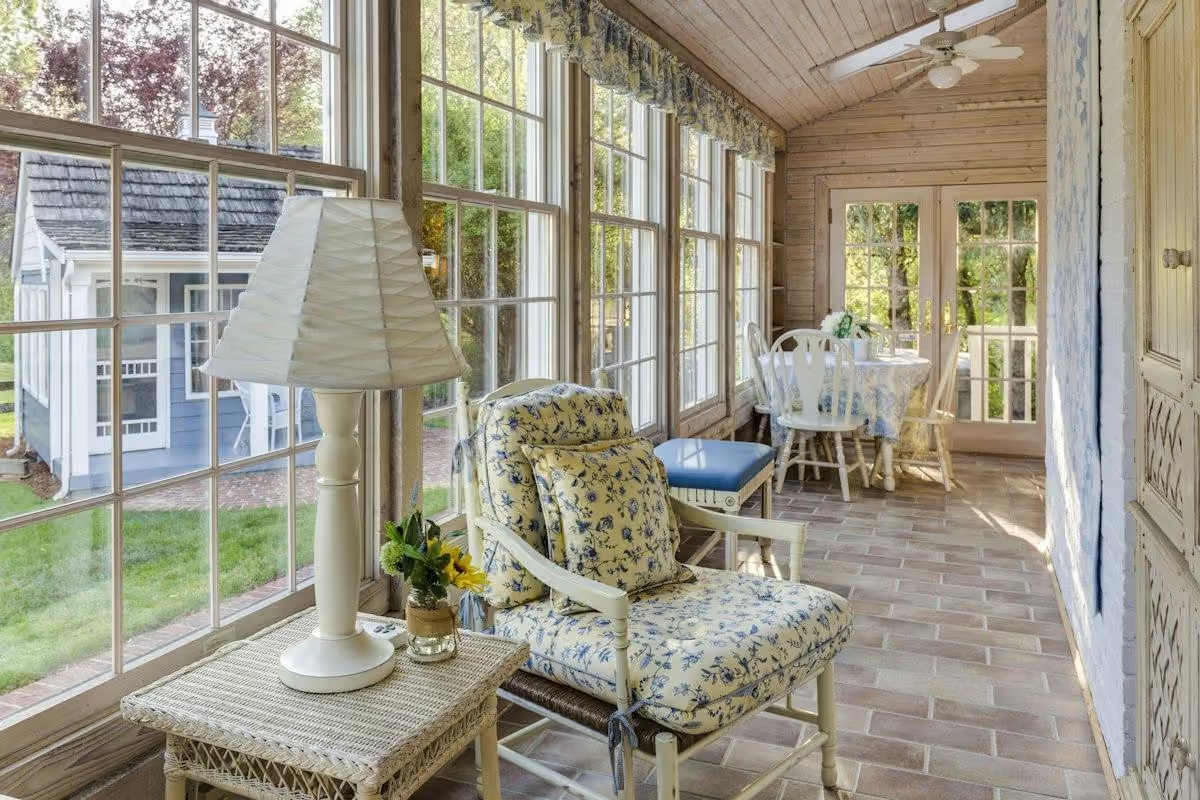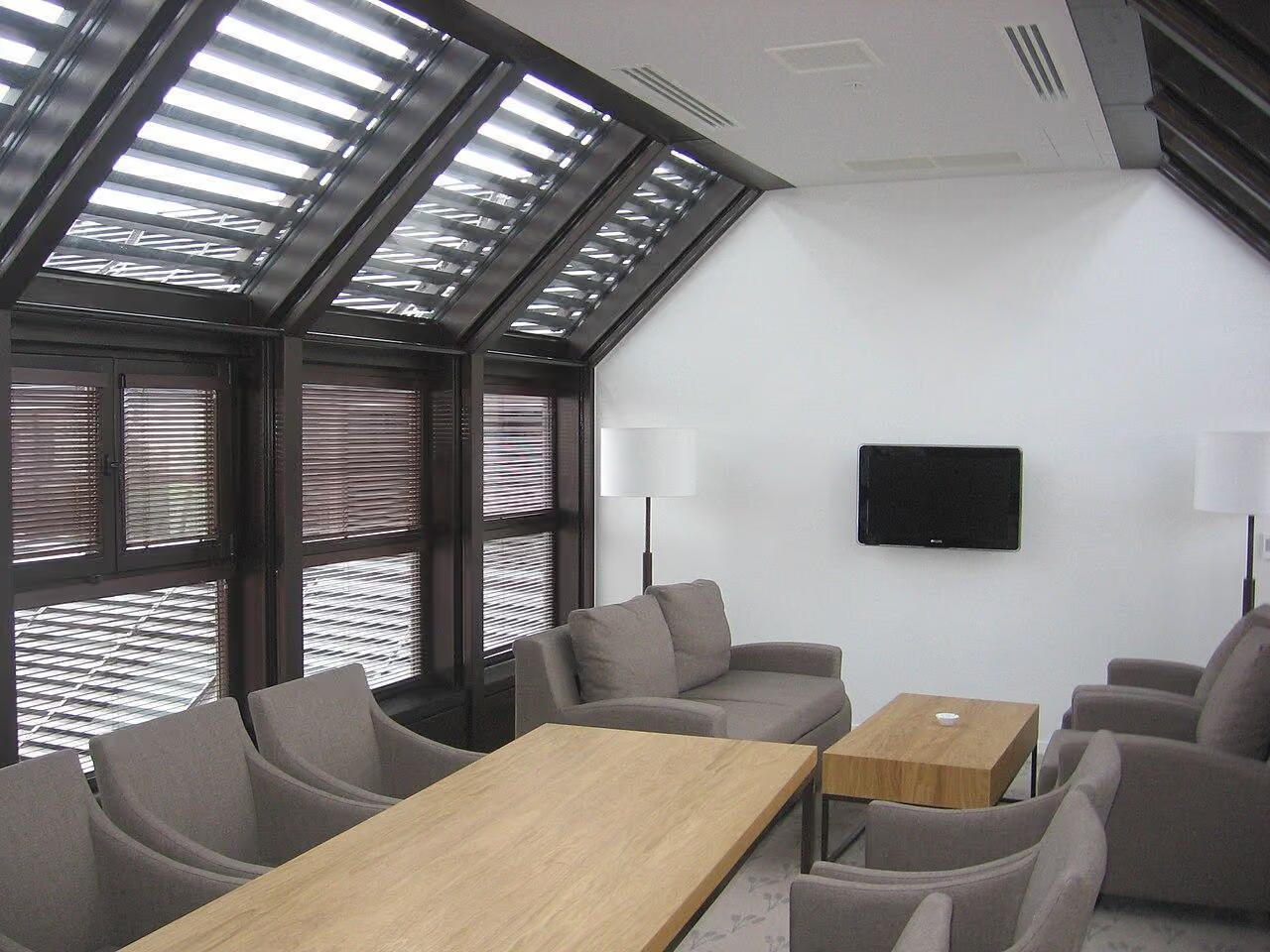
The decision, with conditions
- Choose this route when
- Choose a perch when the window protection is appropriate, the selected support has suitable product guidance and the cat can approach and leave without unstable jumps through household objects.
- Use the alternative when
- If the window location cannot be made appropriate, compare a lower suitable resting position away from the opening rather than extending a shelf toward an unresolved hazard.
- Stop or change the plan when
- Stop the project when opening-window safety or fixing suitability is uncertain. An attractive perch cannot make an unsafe window safe, and a decorative screen is not automatically animal protection.
Compare the practical options
| Perch decision | What to observe or verify | Avoid assuming |
|---|---|---|
| Window location | The cat's preferred view and normal approach | A visually balanced location will be used |
| Support and fixing | A product suitable for the animal and actual substrate | A decorative shelf rating covers a moving animal |
| Access route | Jump, turn, departure and nearby furniture stability | A fragile side table is an acceptable stepping point |
| Cover and maintenance | Secure comfortable surface and manageable cleaning | A fitted shelf needs no ongoing inspection |
Begin with the window the cat already chooses
Start with the actual window and the cat’s route to it. A preferred viewing position is useful information, but it is not permission to add height before checking opening hazards and support. Keep the initial layout reversible and avoid encouraging the animal onto an unverified perch merely to test whether the composition looks natural.
The human uses of the same window matter equally. It may need to open, be cleaned or allow access to blinds and curtains. The perch should not make those tasks difficult. In a small apartment, the area below the window may also be part of the walking route. A successful arrangement gives the cat a stable place without asking residents to step over pet furniture whenever they cross the room. The shared design problem is more interesting than simply matching a cushion to the sofa.
Treat safety as the first specification
Inspect the opening before testing any elevated position. Identify its operating type, the cat’s potential route to the gap and the protection needed for the actual animal and window. Keep cords, loose pots and other newly reachable objects in the assessment. Do not encourage a jump onto an unverified support to see whether it works. If safe opening behavior or appropriate fixing cannot be established, postpone the elevated perch and compare a suitable lower position away from the hazard.
The support must suit a moving animal, not just a static decorative object. A shelf rated for a vase is not automatically a suitable perch. Follow the product’s load, fixing and installation guidance, using appropriate support for the wall or window condition. Do not improvise a high platform from unknown brackets. If a safe fitted detail cannot be established, a suitable freestanding pet product may be more appropriate. In a rental, permission for fixing is part of the decision, not an issue to address after holes have been drilled.
Window safety sits within the wider task of making a shared living room suitable for its animal resident. A Pet-Friendly Living Room That Still Feels Considered.
Understand the approach and the exit
The cat needs a practical way to reach and leave the perch. Observe whether it jumps directly, uses nearby furniture or prefers a lower intermediate position. The route should not depend on a fragile side table or a lamp base. Think about what happens when the animal turns, stretches or leaves quickly. A perch that fits the curled sleeping body may be too constrained for those movements.
Avoid placing the access route through a narrow human circulation point. A person carrying a hot drink should not repeatedly cross the cat’s landing zone. Keep nearby furniture stable and consider the animal’s age and ability without assuming they remain unchanged. If movement becomes difficult or behavior changes unexpectedly, appropriate veterinary advice may be needed; an interior plan is not a diagnosis. The design should be adaptable enough that the resting place can move lower or be replaced rather than requiring the animal to continue using an unsuitable height.
Make the surface comfortable and maintainable
A washable cushion or cover can soften the perch, but it must stay appropriately in place. Check the pet product’s guidance rather than adding loose layers that compromise stability. The fabric should tolerate the intended cleaning routine and the actual sunlight at the window. Soft rose, warm gray and pale oak can relate the perch to the room without making it a miniature themed installation. The color is secondary to comfort, stability and care.
Plan how the cover is removed and dried. A small spare may be useful if the perch is used daily, but extra textiles still need dry storage. Inspect the support, seams and surface during ordinary cleaning. Fur and dust can collect where the perch meets the glass or wall, so preserve access for wiping. A fitted platform that cannot be cleaned around may create more maintenance than a freestanding option, even if it looks visually lighter. The finished detail should remain useful after months of sun, scratching and repeated movement.
Balance the perch with the rest of the interior
The most convincing integration usually comes from proportion and material rather than making every pet object match. One well-placed perch in a familiar timber tone can sit comfortably beside an ordinary chair and curtain. Avoid surrounding it with additional shelves purely to create a decorative climbing wall unless those elements have been properly planned for the animal and the room. More components mean more fixing, cleaning and potential conflicts with window operation. Keep a record of the fixing instructions and any required checks. A perch used repeatedly should be inspected as a working part of the home, not forgotten once the installation looks complete.
If the window is a strong focal point, keep nearby display restrained. A cat, a plant collection and several fragile ceramics can create an unstable competition for the same area. Any plants within reach need to be appropriate for the household’s animals, checked through reliable sources. The perch should also work when curtains are closed. Decide whether it remains accessible, moves away or sits outside the curtain line. A scheme that looks elegant only while the window treatment is open is incomplete for an ordinary home.
The perch and the curtain need to work together in both the window's open and closed states. Linen Curtains That Work beyond the Mood Board.
Test a low version before building a permanent one
Use a suitable stable temporary pet perch in the proposed area under supervision. Observe whether the cat chooses it, how it approaches and whether it interferes with the household. Do not leave improvised unstable furniture in place as a long-term trial. The test should reveal location and use preferences without creating a new risk. If the animal repeatedly selects another window, reconsider the brief rather than adding more decorative encouragement to the first position.
Compare freestanding and fitted costs honestly. A freestanding product can be relocated, replaced and cleaned around; a fitted shelf can use space precisely but needs suitable installation and may complicate window maintenance. The proposal is unsuitable when the window cannot be made safe or the support cannot be properly specified. Before finishing, check fixing, access, landing routes, cover care and human circulation. In an imagined afternoon, someone reads in a nearby chair while the cat watches the street. The room feels shared because both occupants have a comfortable place, and neither arrangement depends on making the other’s movement awkward.
Check, record, then decide.
A proposed worksheet for your own observations. Use consistent units for dimensions and keep the conditions with each record.
Chosen window and movement
Where to check At the window the cat already visits and its approach from nearby furniture.
- Record
- Observe approach, turn and departure during normal activity; sketch stable landing areas and note conflicts with a person's walking route or fragile furniture.
- Read the result
- A perch location should fit real animal behavior without depending on an unstable stepping point.
- If it does not work
- Try a suitable lower freestanding perch elsewhere rather than extending a decorative jumping route.
Window and support suitability
Where to check At the opening, blind controls, proposed bracket positions and actual wall or window construction.
- Record
- Collect the perch's load and fixing instructions, permission where relevant and the window-protection proposal; record unresolved cords, access and safety questions.
- Read the result
- A static ornamental shelf or attractive open window is not evidence of suitability for a moving animal.
- If it does not work
- Resolve the opening and support appropriately or do not install the perch in that position.
Cover and human maintenance
Where to check On the proposed resting surface and behind it at glass, curtains and cleaning access.
- Record
- Identify cover care, removal and refitting steps; note whether the perch blocks handles, curtain stacking or the person's ordinary window-cleaning movement.
- Read the result
- Integration should work when curtains close and cleaning occurs, not only when the view is staged.
- If it does not work
- Choose a removable suitable product or alter the location to preserve window use.
A practical trial
- Observe a suitable stable low trial perch under supervision without leaving improvised unsupported furniture as a permanent solution.
- Check nearby pots, cords and objects the animal can newly reach, resolving their suitability before routine use.
- Keep support instructions and inspect the working perch during ordinary cleaning, adapting the setup if the animal's abilities change.
Compare the same scope
- A suitable freestanding perch that can relocate
- A properly specified fitted shelf with appropriate fixing
- A different safe window position the cat actually uses
Cost drivers to discuss: Support product, substrate and competent installation; Window safety and preserved operating access; Washable covers, repair and eventual relocation.
Choose another route when: Do not install where the window cannot be made appropriate or the moving animal's support and approach cannot be properly resolved.
The download is a blank record template. Your completed notes remain wherever you choose to keep them; this page has no measurement-submission service.
Sources for this guide
Each reference’s supported point and limits appear beside the relevant passage above. Product documentation applies to the named product, rather than every similar item or the photographed room.
Source text checked November 4, 2026. Specifications can change; confirm the current instructions for the exact item before ordering.
Your questions, considered.
Can I use an ordinary decorative shelf as a cat perch?
Do not assume so. The support and fixing must suit a moving animal and the actual wall or window condition. Follow appropriate product guidance rather than relying on a static display-load impression.
Should the perch be high or low?
Observe the cat's actual approach and abilities, then test a suitable stable low option. The route should remain appropriate as the animal changes; a higher decorative position is not automatically better.
What must remain usable around a fitted perch?
Preserve window operation, cleaning access and curtain or blind movement. Resolve unsafe open windows, accessible cords and unstable nearby objects before the perch becomes an established resting place.
About this guide: written with AI assistance for TIANLICHUJU. These are general design ideas, not a measured survey or a completed client project. Any domestic vignette is fictional. Confirm product specifications, site dimensions and local requirements before construction; use qualified professionals for regulated work. Read our editorial approach or suggest a correction.