The decision, with conditions
- Choose this route when
- Retain the kitchen when condition and workflow checks support it, then specify compatible fronts, useful handles, and a limited color change against the existing surfaces.
- Use the alternative when
- Repair a defined group of units or improve task lighting and organization when full front replacement adds cost without addressing the main daily frustration.
- Stop or change the plan when
- Stop a cosmetic-only scope if wet damage, unsuitable hardware, unsafe services, or the layout's main conflict remains unresolved behind the proposed finish.
Compare the practical options
| Existing kitchen finding | Refresh route | Resolve first |
|---|---|---|
| Sound cabinets and useful layout | Target fronts, handles, color, or lighting | Exact hinge and drilling compatibility |
| Swollen panels or unstable units | Assess repair or replacement | Underlying condition before cosmetic work |
| Cooking workflow remains awkward | Test a targeted layout change | Preparation space and appliance-door conflicts |
| Color feels dated but finishes work | Trial removable samples across several fronts | The relationship to retained flooring and worktop |
Start with what the existing kitchen can still do
A kitchen can acquire mid-century warmth through proportion, timber, and one well-chosen color without being stripped back to an empty room. If the cabinet carcasses are sound and the layout supports cooking, retaining them may preserve useful work while freeing the budget for a more targeted improvement. The decision should begin with condition and function rather than an assumption that a new style requires a complete replacement.
Treat sound units and useful layout as separate conditions for retention. Record damage and operating conflicts before calling the project a decorative refresh; replacement fronts cannot repair either by themselves.
Audit the carcasses and hardware
Open every door and drawer. Check alignment, movement, loose fixings, damaged edges, swollen panels, and the condition around the sink and appliances. Look inside corners and behind removable access panels where appropriate. A neatly painted exterior can conceal a problem that becomes expensive after new fronts are fitted.
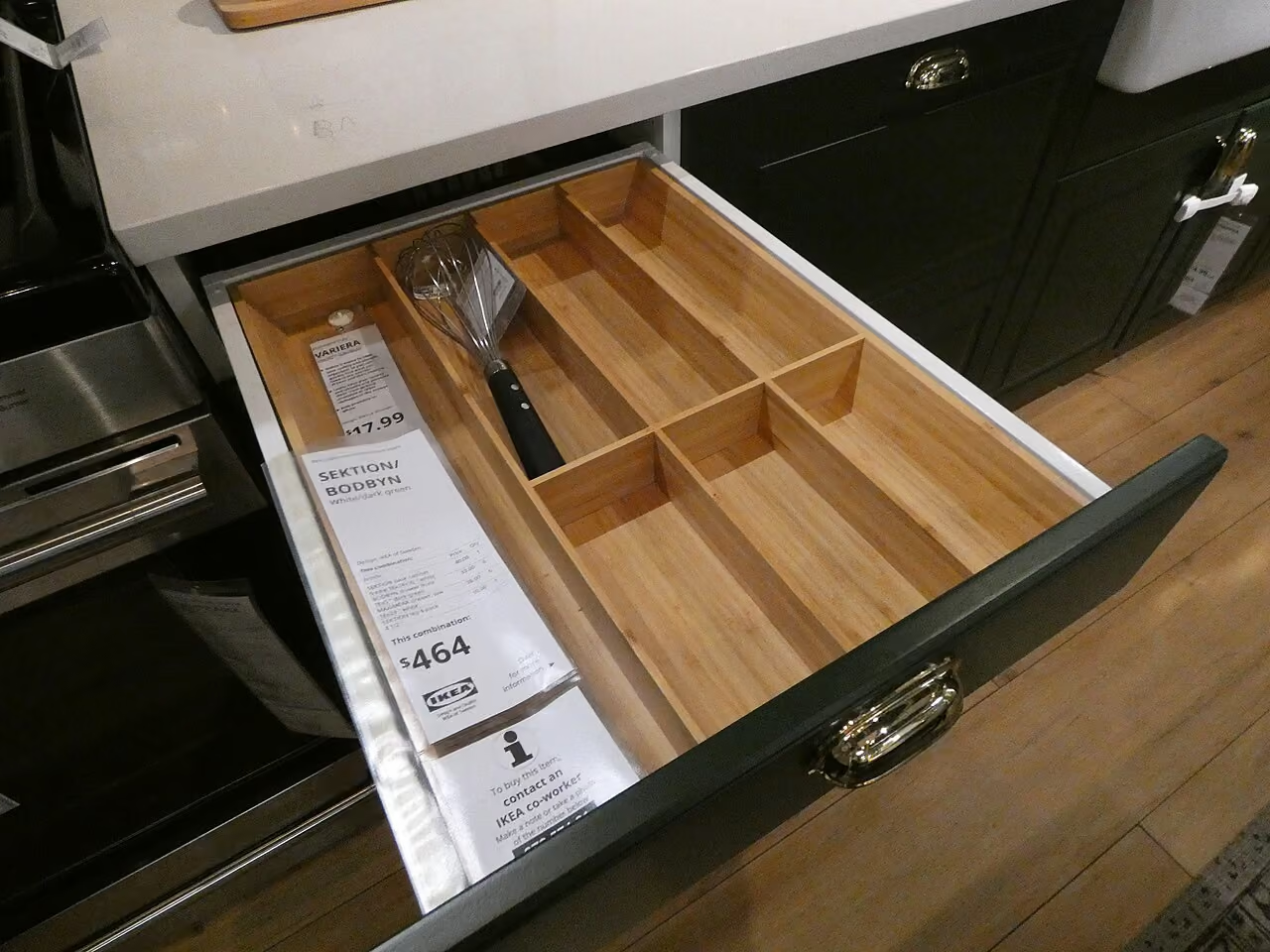
Record which components are serviceable and which are not. Ask a competent installer whether the existing hinges, mounting plates, and drawer systems can support the proposed fronts. Dimensions and drilling patterns matter. A replacement door that appears to be a standard size may still be incompatible with the old hardware. Do not order a full set from visual measurements alone.
When retained carcasses need new framed fronts, examine A traditional kitchen with cleanable cabinet detail.
Keep the workflow in the picture
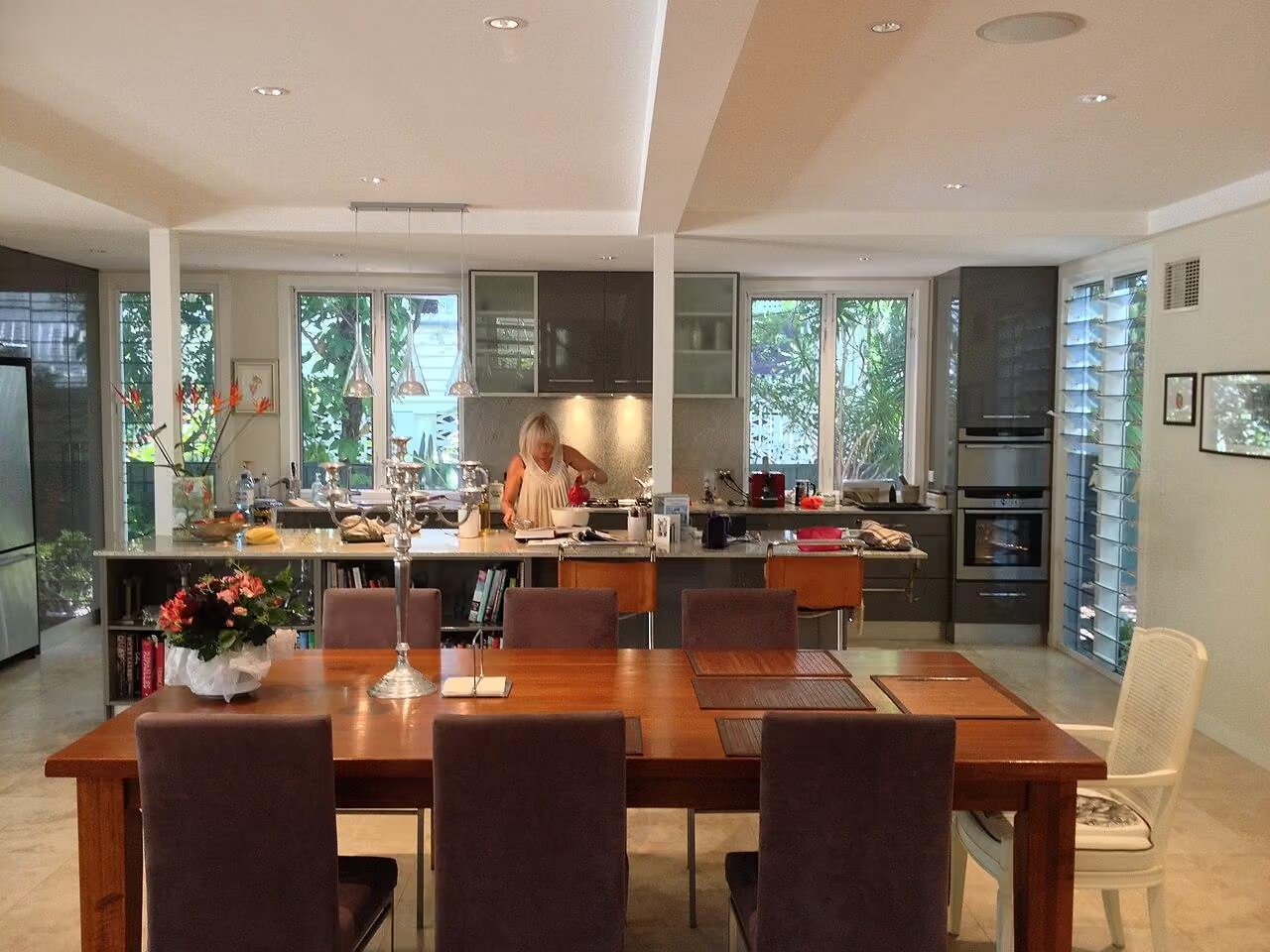
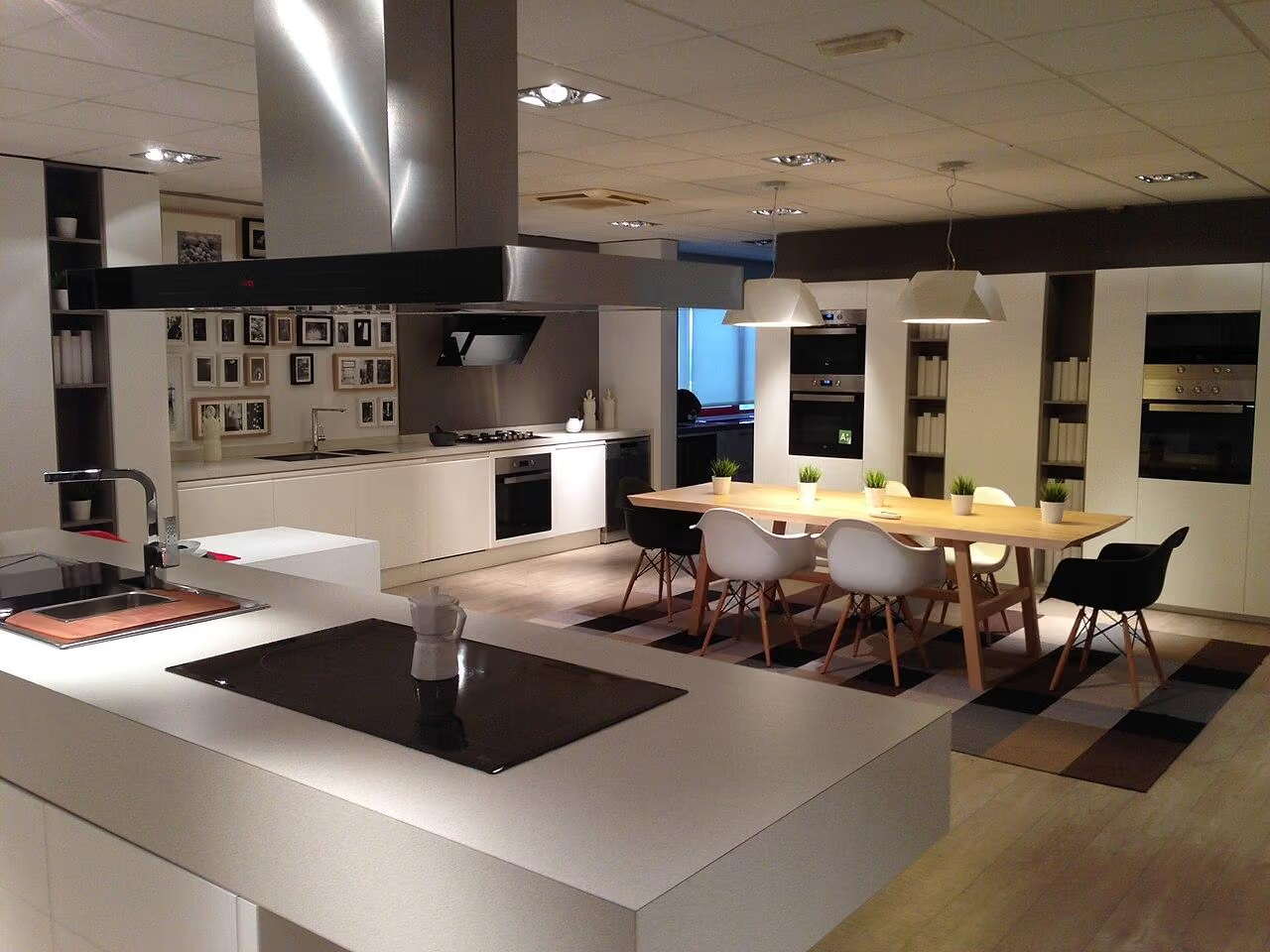
Before choosing a color, simulate making a normal meal. Note where ingredients, cookware, preparation, and washing happen. If the main frustration is a lack of landing space or an appliance door colliding with a drawer, a decorative change will not resolve it. A modest alteration may be possible, but it should be identified and priced before the finish scheme is fixed.
Also check extraction, task lighting, and the location of everyday outlets. Improving useful light can make a retained kitchen feel more capable than adding another decorative surface. Any service changes require appropriate professional work and local compliance. Preserve access to equipment rather than allowing new panels to make an existing problem harder to reach.
If permanent changes are not available, consider A Rental Kitchen with Warmth and No Permanent Alterations.
Translate the reference into a small number of decisions
Mid-century character can emerge through a repeated cabinet rhythm, a warm timber area, and a controlled accent such as olive, muted mustard, or a dusty blue. These are design options, not a mandatory historical palette. Choose the accent in relation to the existing floor and worktop, which may remain the largest material areas in the room.
Avoid making every appliance, handle, tile, and shelf a retro statement. A room full of competing references can feel more themed than coherent. One clear color panel and a consistent handle profile may provide enough expression. The retained cabinet layout can remain visually quiet while the new relationship between surfaces does the work.
Test the color at cabinet scale
Place removable color samples across several adjoining fronts beside the retained floor and worktop. Compare daylight and task light before selecting a color from an isolated card.
Include a sample of the intended sheen. Gloss, matte, and textured finishes reflect task lighting differently and reveal wear in different ways. If repainting is proposed, ask whether the substrate and existing coating can be prepared successfully. A generic paint recommendation is not a complete specification for a kitchen door. Preparation and curing requirements affect both disruption and durability.
Choose handles through use
A slender pull can support the furniture-like rhythm associated with the style, but it must be comfortable with wet hands and fit the way the door opens. Test a sample on a full-size front if possible. Check fingers, knuckles, and access beside neighboring units. A tiny knob can look neat while being frustrating on a heavy integrated appliance.
Existing holes may limit the replacement options. Filling and refinishing them can be straightforward in some constructions and difficult in others. Include that work in the quote rather than assuming a new handle hides everything. Keep a spare handle or the supplier details when practical, especially if the chosen size is unusual.
Decide where timber will add most
A modest timber shelf, a dry end panel, or a small freestanding cabinet can introduce warmth without replacing the whole kitchen. Place it where its care requirements suit the exposure. Rough or absorbent timber beside frequent splashes is not made appropriate by its attractive grain.
If existing timber veneer is sound, ask whether a careful refresh is possible. Avoid aggressive sanding without understanding the veneer thickness and prior repairs. A new solid-wood part beside older veneer may differ in color, but that difference can be intentional. Trying to disguise every construction as identical often creates more visual tension than a clear material change.
Price the refresh as a complete job
Compare removal, preparation, front manufacture or coating, hardware, reinstallation, adjustment, and making good. Include the time the kitchen will be partly unavailable. A low price for doors alone can omit much of the real work. Retaining carcasses may reduce disruption, but it is not automatically the cheapest route in every kitchen.
Ask what happens if a front is damaged later. Can it be reordered, recoated, or replaced independently? Will the same finish remain available? Keep an inventory of dimensions, paint references, and hardware. A photograph of the finished room is useful, but a small record of its construction is more helpful when something needs attention.
Judge the result during an ordinary meal
The finished kitchen should feel warmer and clearer without becoming more delicate to use. Test drawers, appliance openings, cleaning access, and preparation light after installation. Check that the new visual rhythm has not concealed an inconvenient handle or trapped a removable panel. Small adjustments are easier while the work is still being reviewed.
In a fictional evening, a familiar recipe is prepared in a kitchen that has changed its atmosphere without losing its useful habits. The new color is noticeable, but the uninterrupted workflow is what makes the change worthwhile. Keep the sound structure, repair what fails, and let a few considered details carry the new character. That is a more durable transformation than replacing useful parts merely to obtain a stronger theme.
Check, record, then decide.
A proposed worksheet for your own observations. Use consistent units for dimensions and keep the conditions with each record.
Retained cabinet condition map
Where to check Inside every cupboard and drawer, particularly beneath the sink and beside appliances.
- Record
- Number fronts on an elevation; note sticking, swollen edges, loose fixings, and visible damage with photographs matched to those numbers.
- Read the result
- This is a symptom inventory, not a finding that carcasses are structurally sound or that new fronts will correct them.
- If it does not work
- Separate necessary repair from decorative work and obtain an installer assessment before pricing a front-only refresh.
Front and handle compatibility
Where to check At one representative door, one loaded drawer, and the integrated appliance front.
- Record
- Record dimensions and existing hole locations in millimeters; have the installer identify hinge, mounting, and load compatibility for the proposed replacements.
- Read the result
- Matching outside size does not verify drilling patterns, weight compatibility, or a successful reused-hardware installation.
- If it does not work
- Choose compatible fronts or include defined hardware changes rather than accepting improvised fitting after the full order arrives.
Color across the run
Where to check Across several adjacent fronts beside the retained floor, counter, and backsplash.
- Record
- Place removable large samples in daylight and task light; note color, sheen, and which existing surfaces become more prominent.
- Read the result
- The grouping tests visual relationships, not coating adhesion, curing, or the durability of an untested repaint system.
- If it does not work
- Reduce the accent area or request an appropriate substrate-specific coating proposal when the finish or preparation remains uncertain.
A practical trial
- Simulate a familiar meal before deciding that appearance is the only problem.
- Ask each quote to identify preparation and reinstallation rather than doors alone.
- Keep an approved front, handle, and finish reference until adjustments are complete.
Compare the same scope
- Carcass repair versus retained serviceable units
- Front preparation, hardware, and appliance coordination
- Coating, fitting, adjustment, and making good
Cost drivers to discuss: Hidden damage discovered around wet areas; Nonstandard hinge patterns or front dimensions; Off-site finishing and kitchen downtime.
Choose another route when: A cosmetic refresh is unsuitable as the sole remedy for damaged units, unsafe services, or a layout that repeatedly prevents useful meal preparation.
The download is a blank record template. Your completed notes remain wherever you choose to keep them; this page has no measurement-submission service.
Sources for this guide
Each reference’s supported point and limits appear beside the relevant passage above. Product documentation applies to the named product, rather than every similar item or the photographed room.
Source text checked November 4, 2026. Specifications can change; confirm the current instructions for the exact item before ordering.
Your questions, considered.
When is a cabinet refresh unsuitable?
New fronts cannot resolve structural damage, unsafe services, or a fundamentally obstructed workflow. Assess those problems before deciding that the project is mainly decorative.
Can replacement fronts use the existing hinges?
Possibly, but a competent installer should confirm dimensions, weight, drilling patterns, and hardware condition for the exact fronts. Visual similarity does not establish compatibility.
How much mid-century detail does the kitchen need?
A clear cabinet rhythm, one controlled color, and a consistent handle may be enough. Avoid making every appliance and surface a competing retro reference.
About this guide: written with AI assistance for TIANLICHUJU. These are general design ideas, not a measured survey or a completed client project. Any domestic vignette is fictional. Confirm product specifications, site dimensions and local requirements before construction; use qualified professionals for regulated work. Read our editorial approach or suggest a correction.